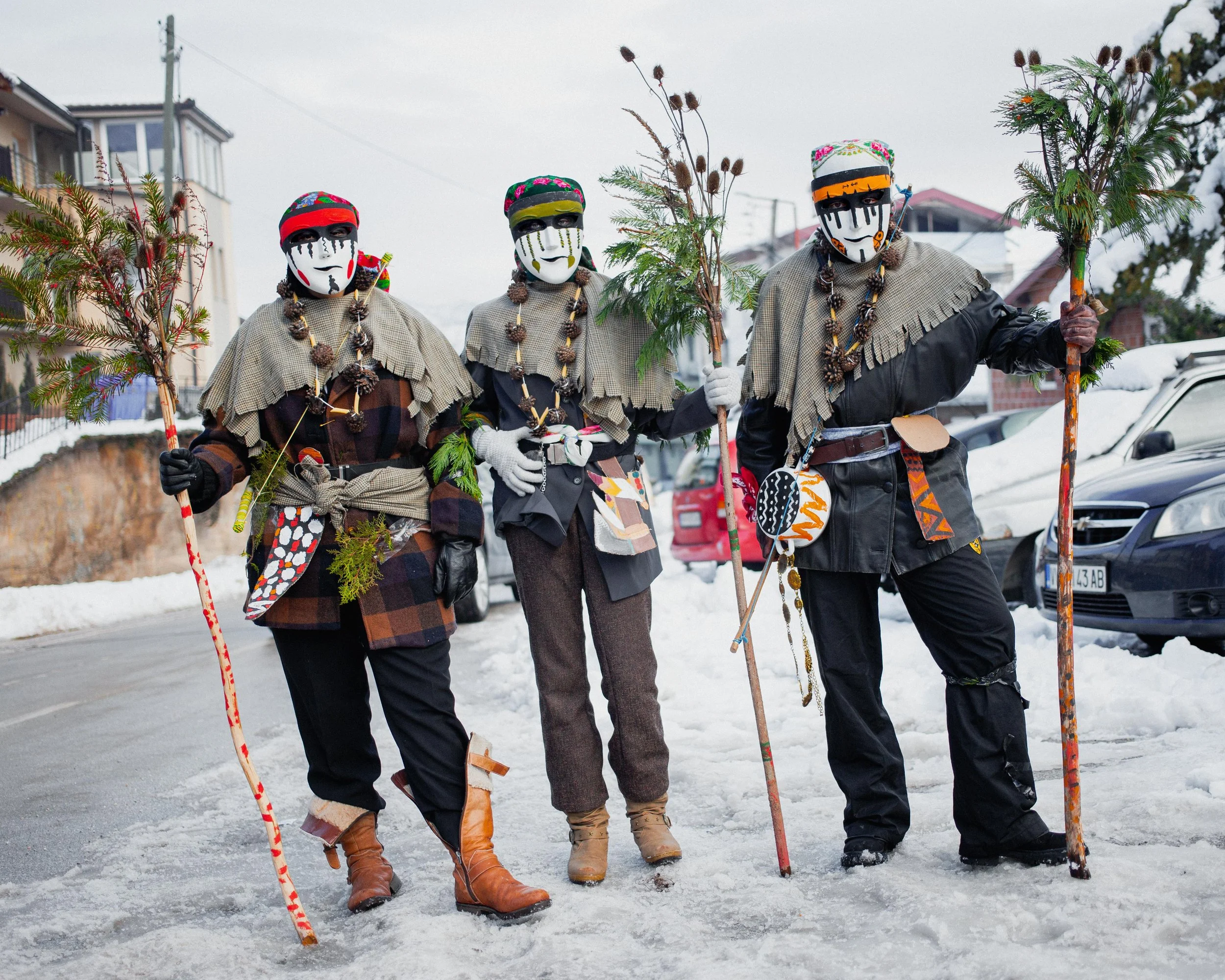
Spirits of St. Basil
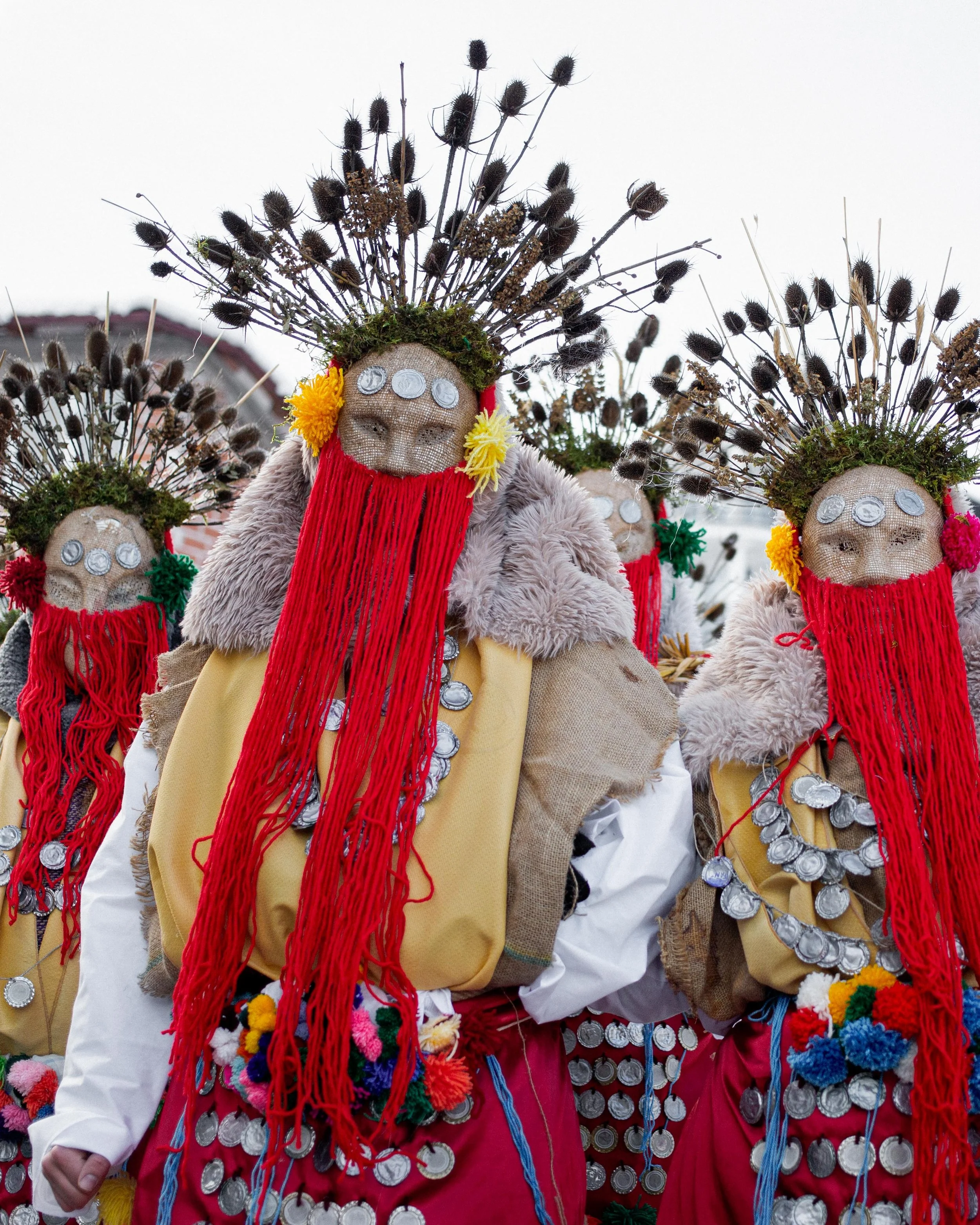
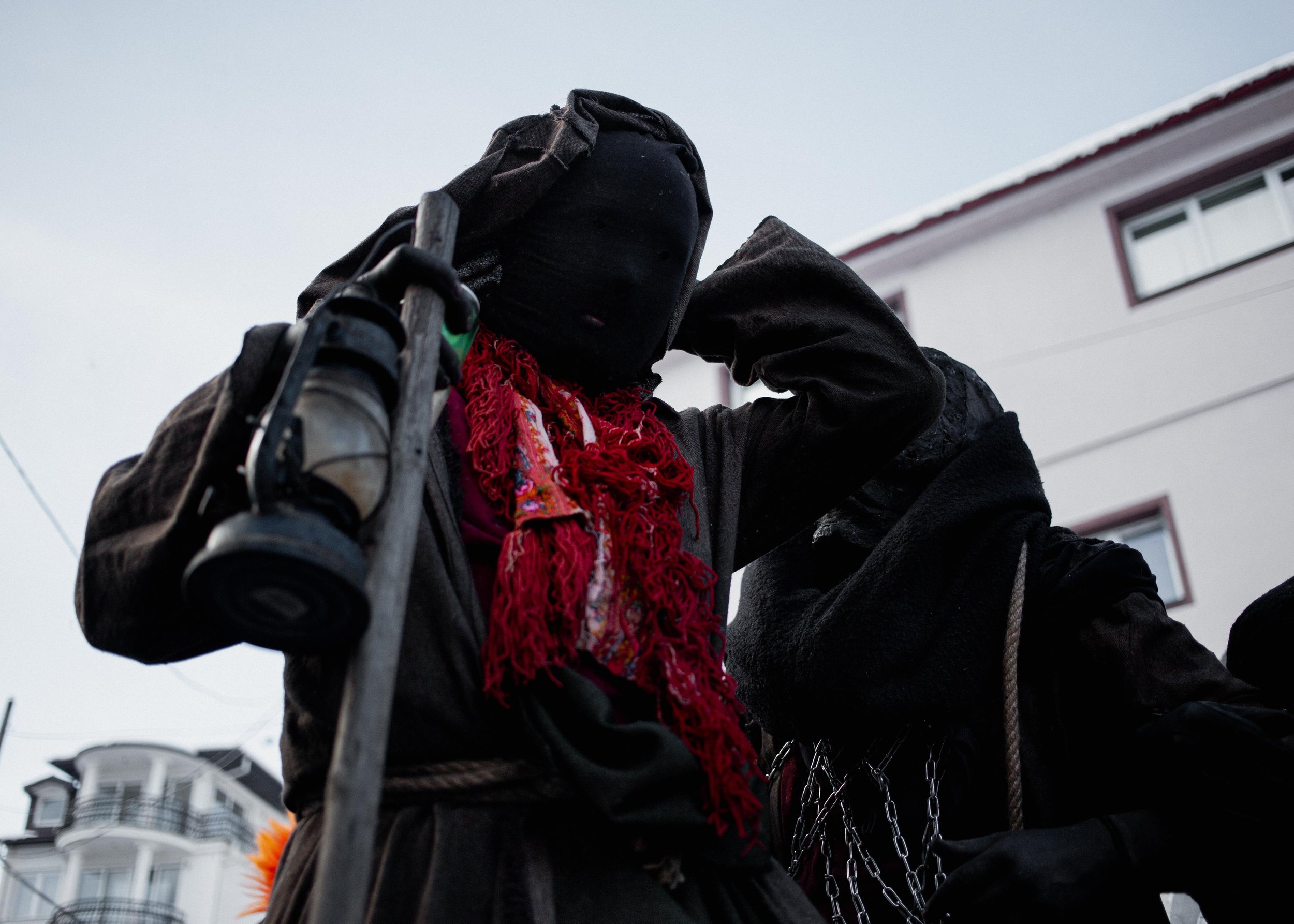
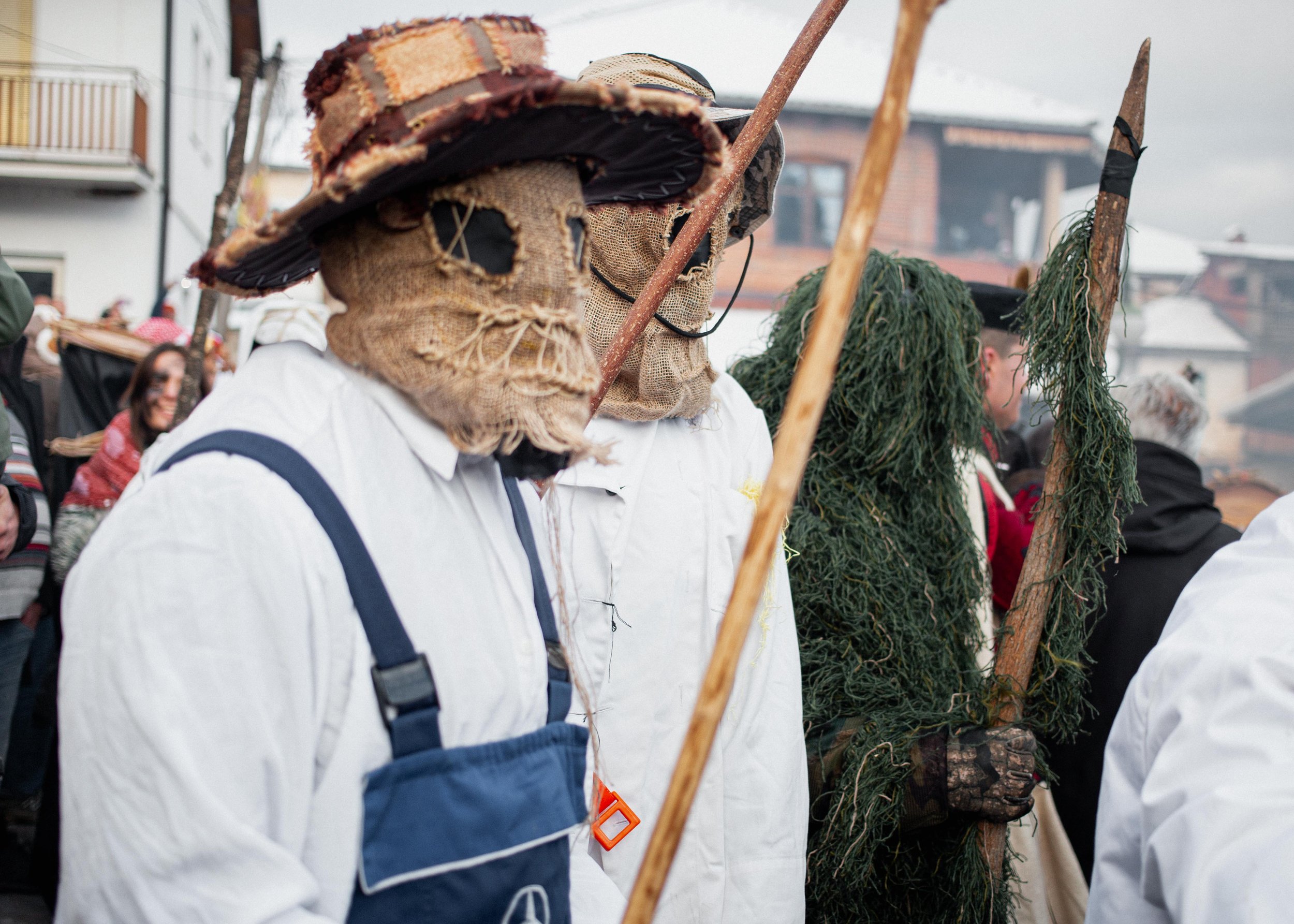
The Vevčani Carnival is considered one of the oldest continuously practiced rituals of its kind in the Balkans. Its structure corresponds to pre-Christian winter rites common to agrarian societies, centered on renewal, protection, and the expulsion of harmful forces. While claims of uninterrupted practice belong largely to oral history rather than documented fact, the perceived continuity of the ritual remains central to the community’s collective identity.
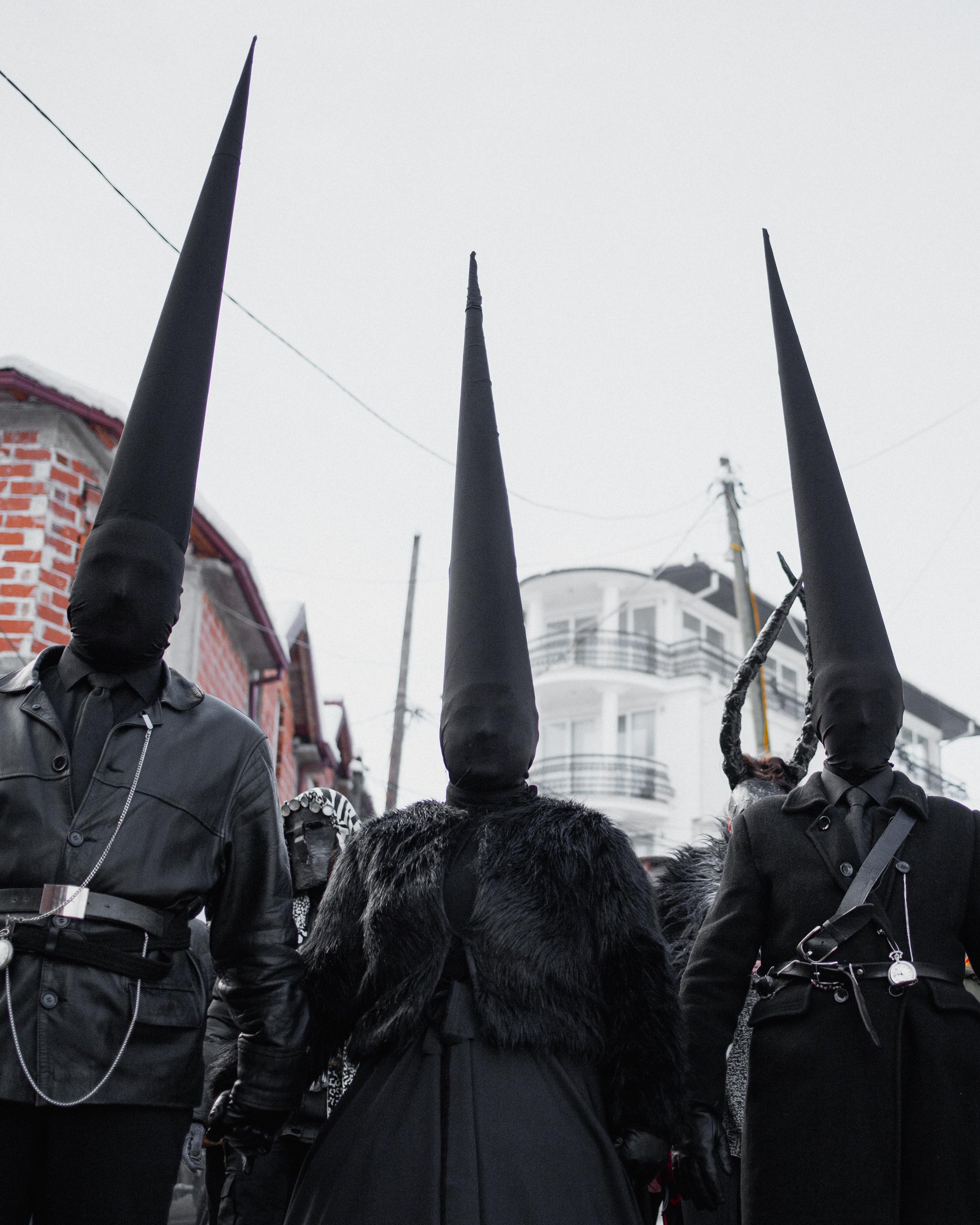
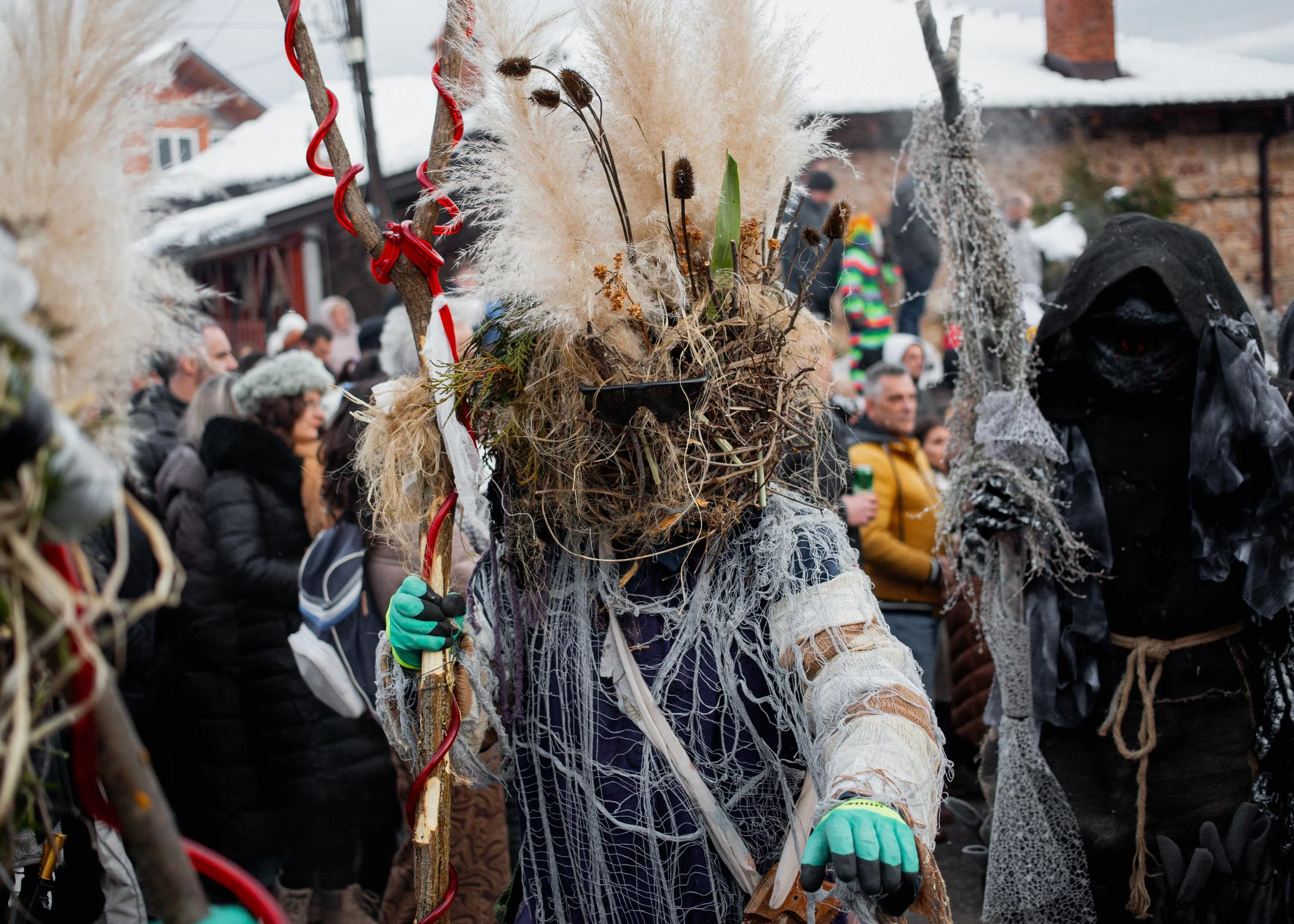
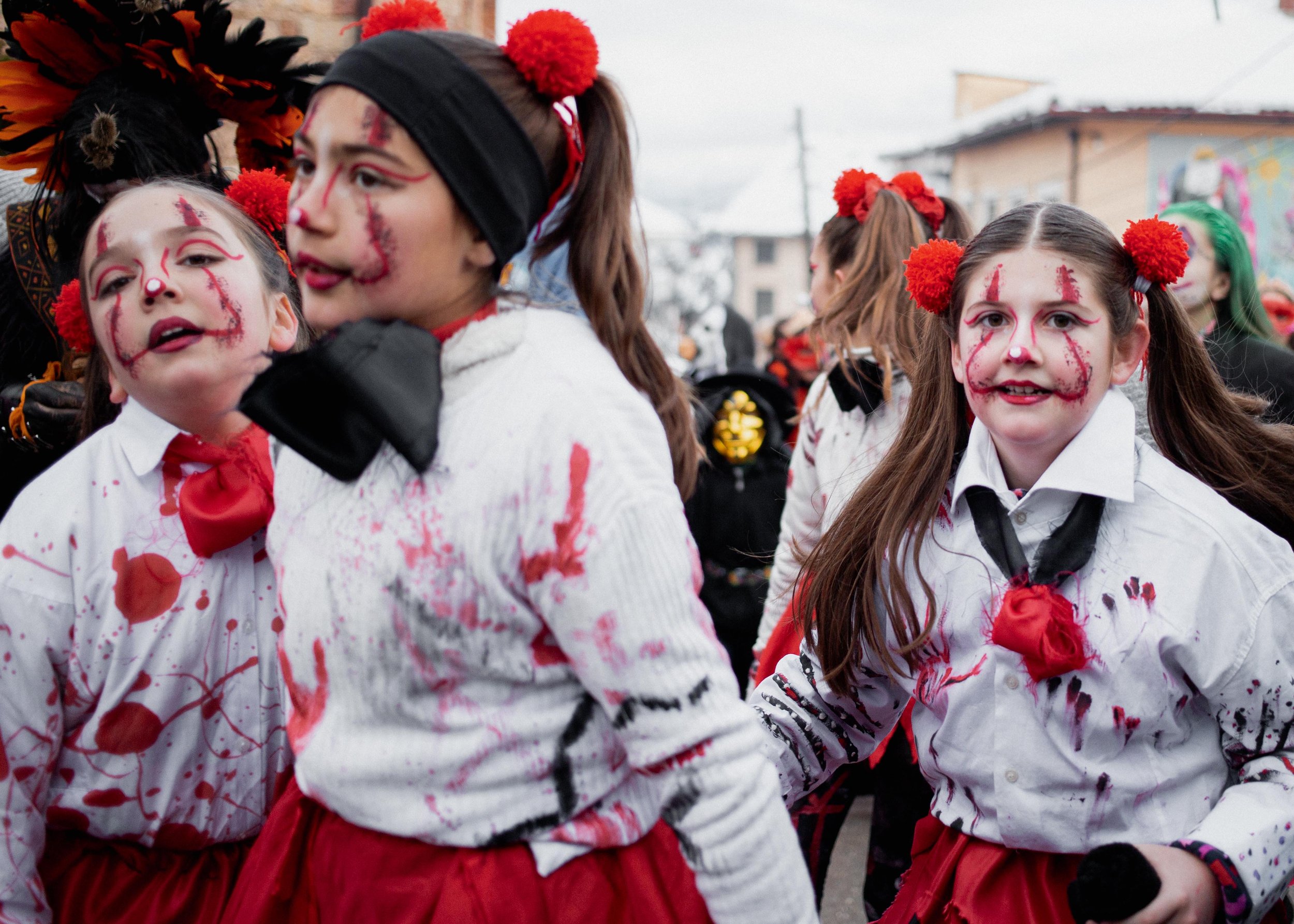
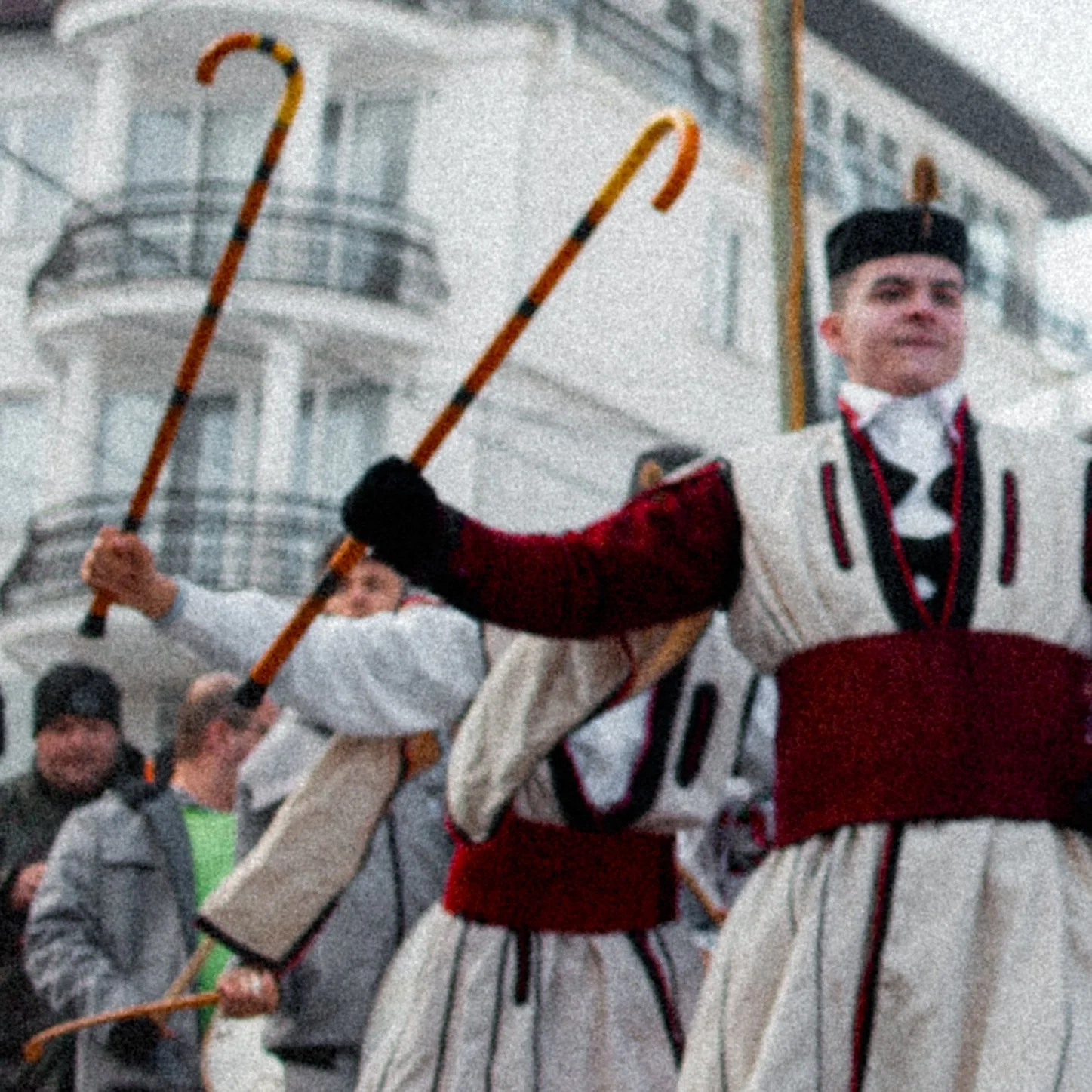
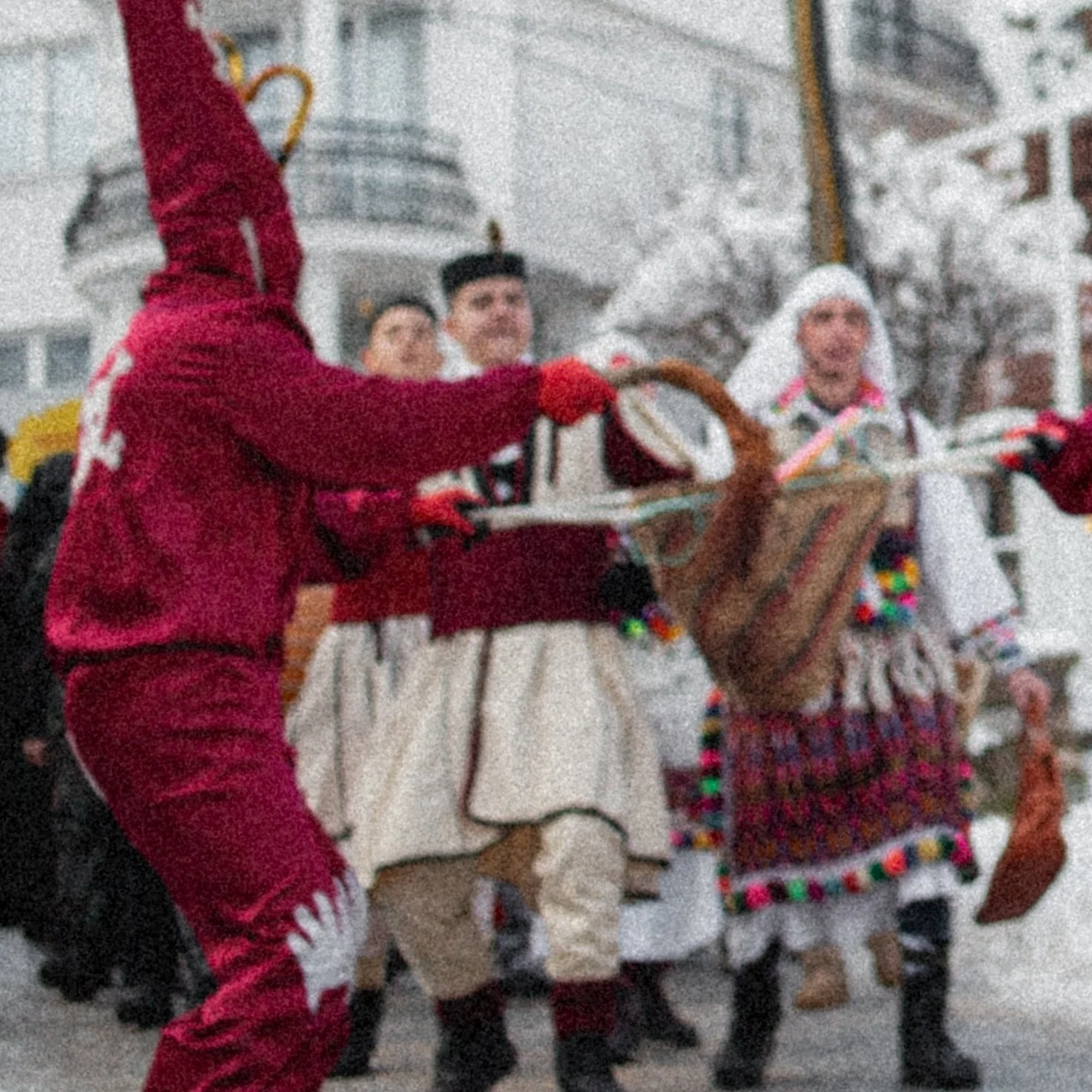
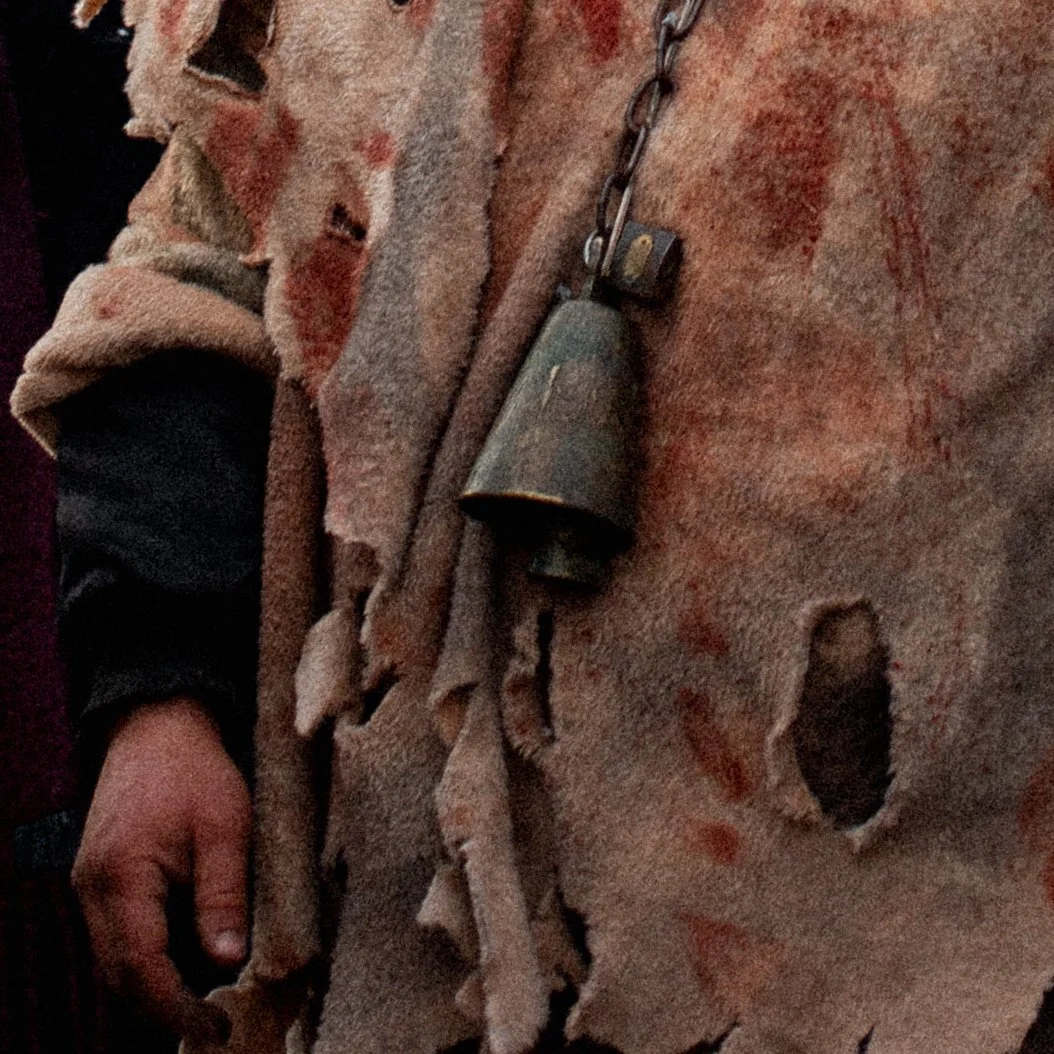
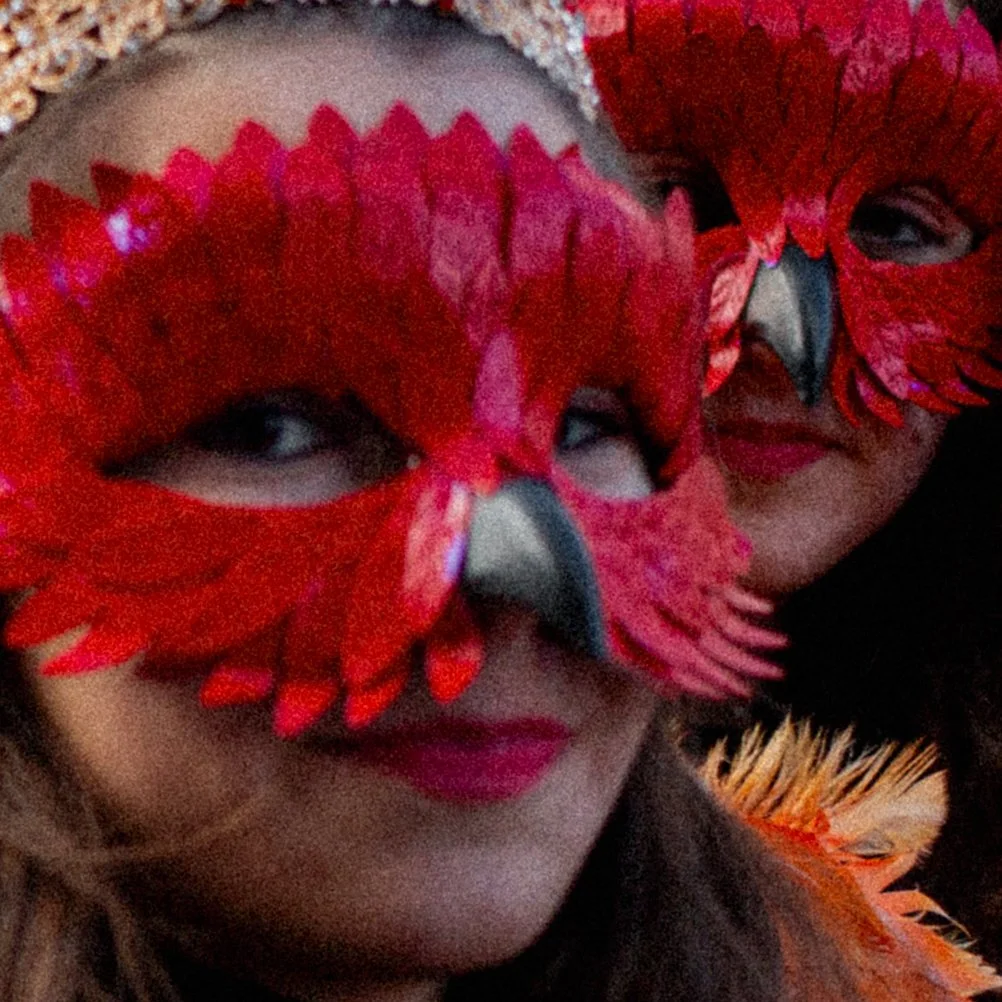
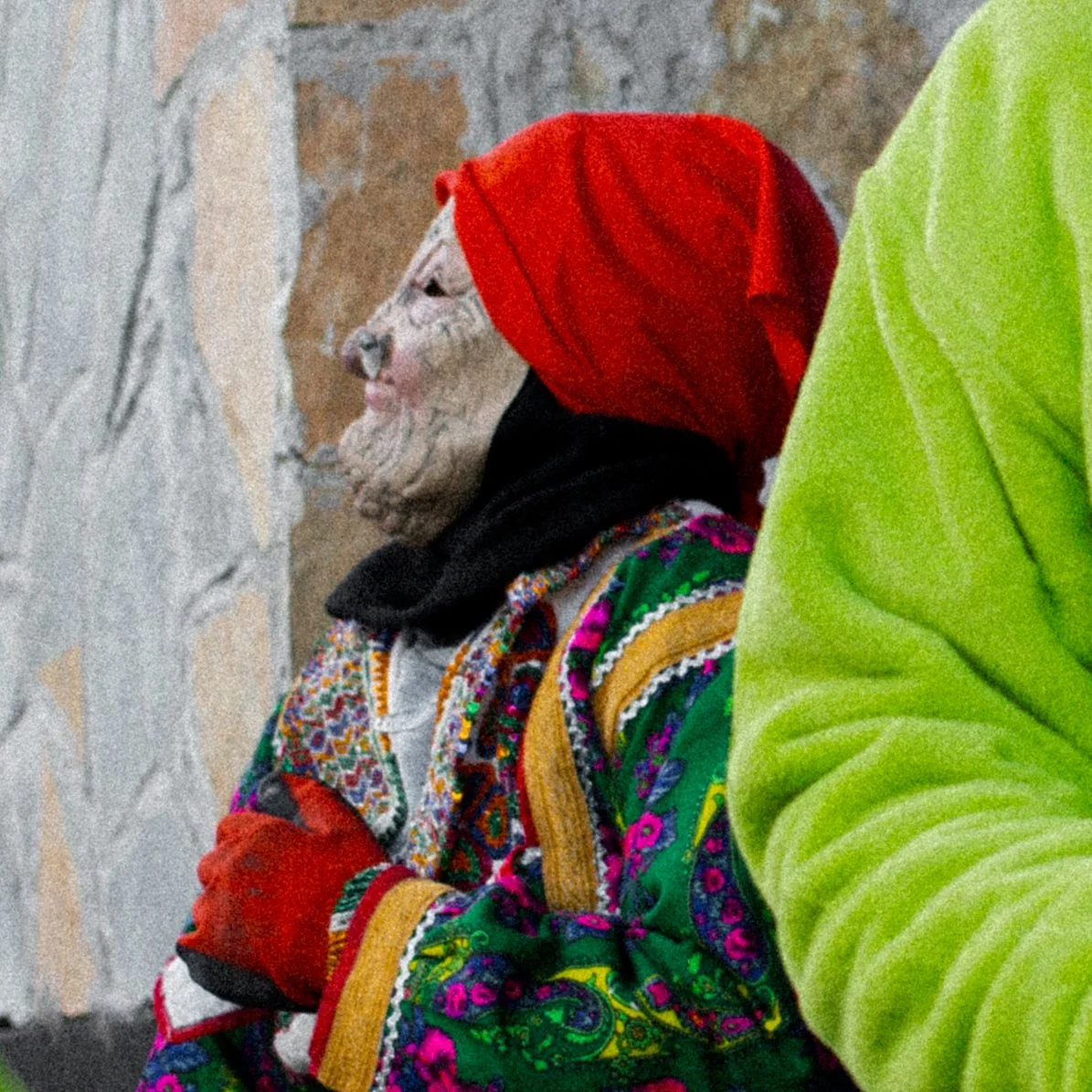
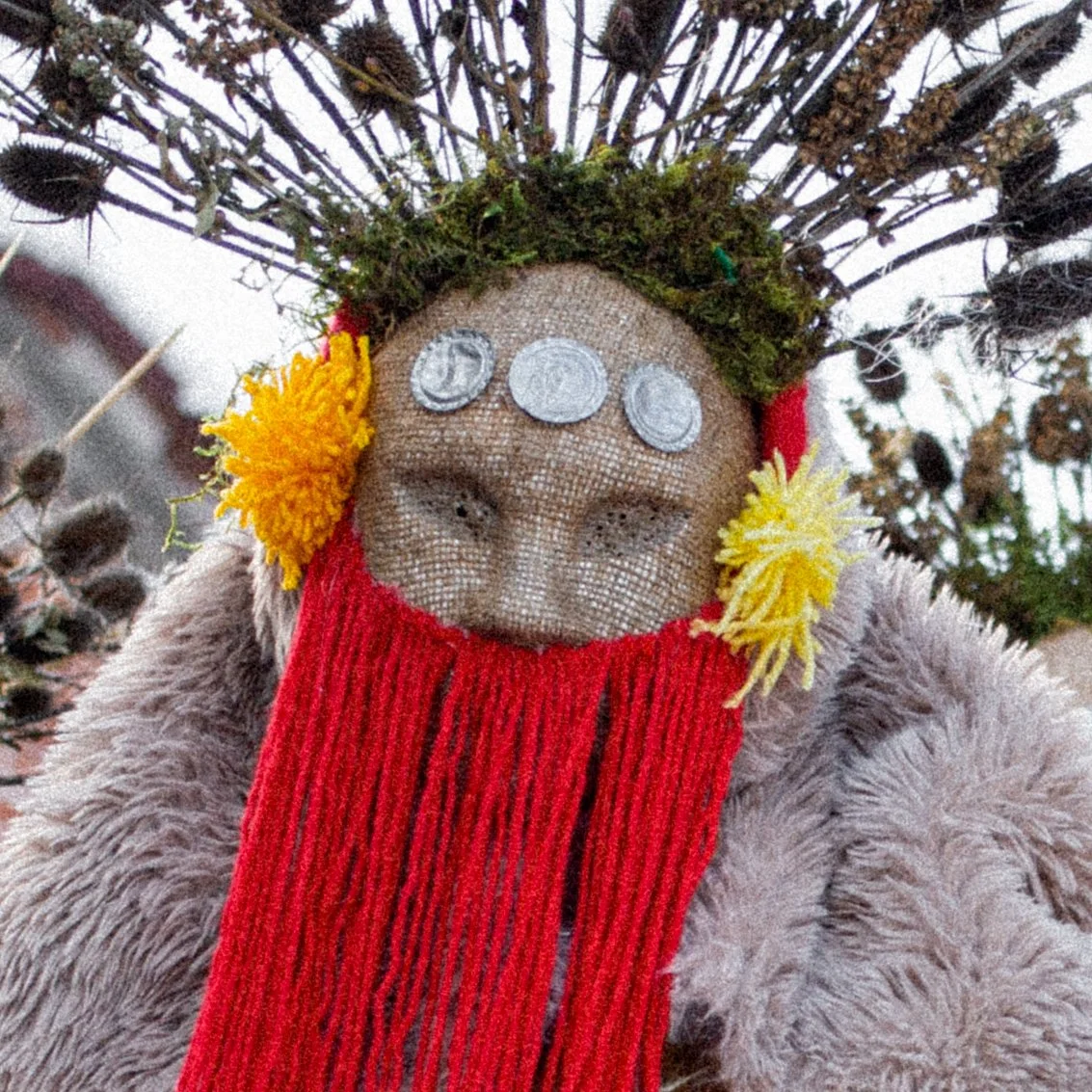
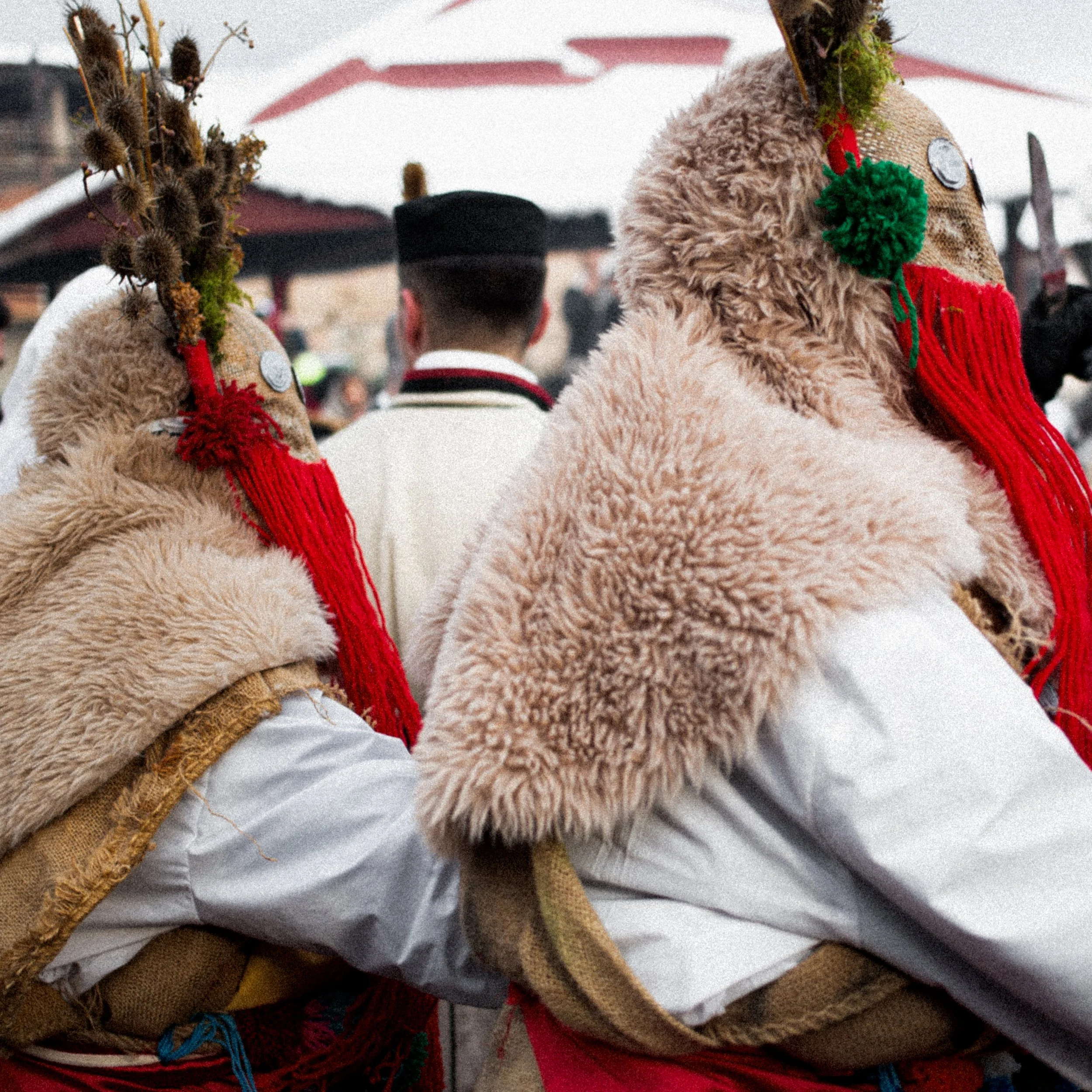
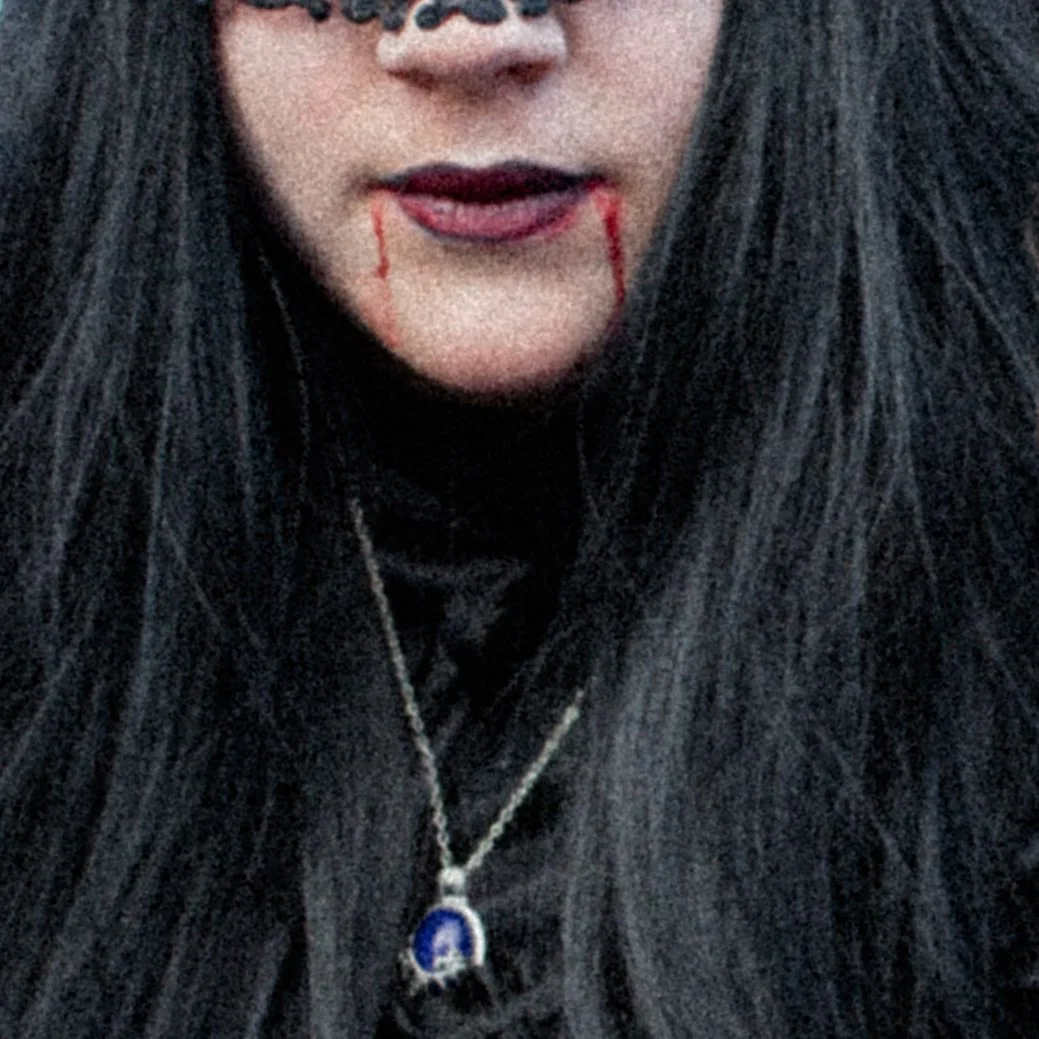
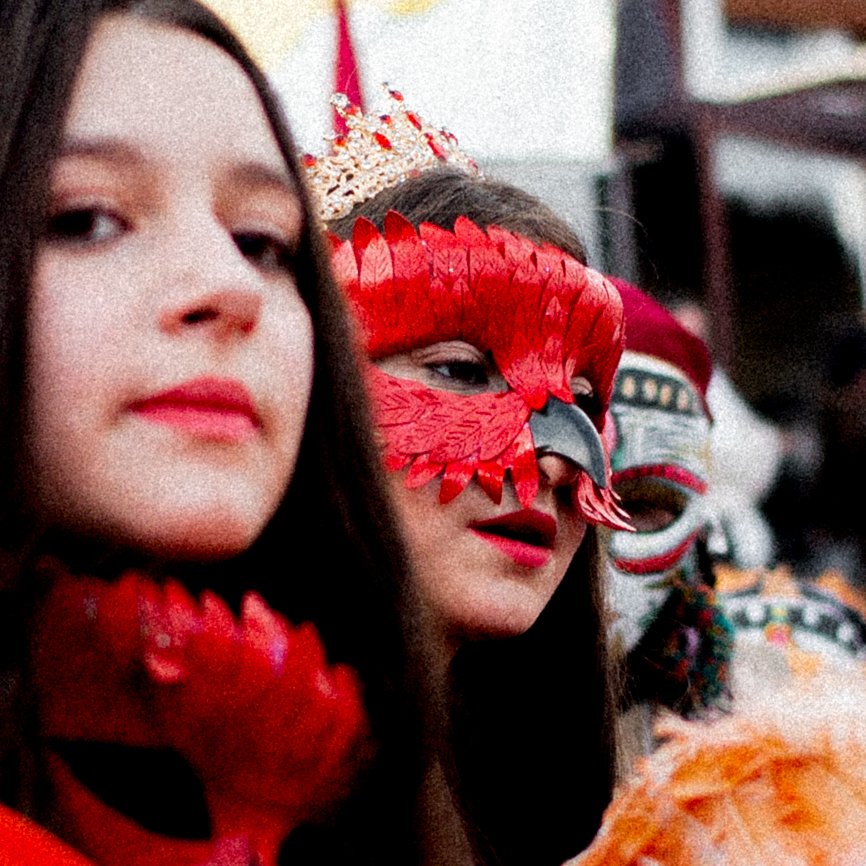
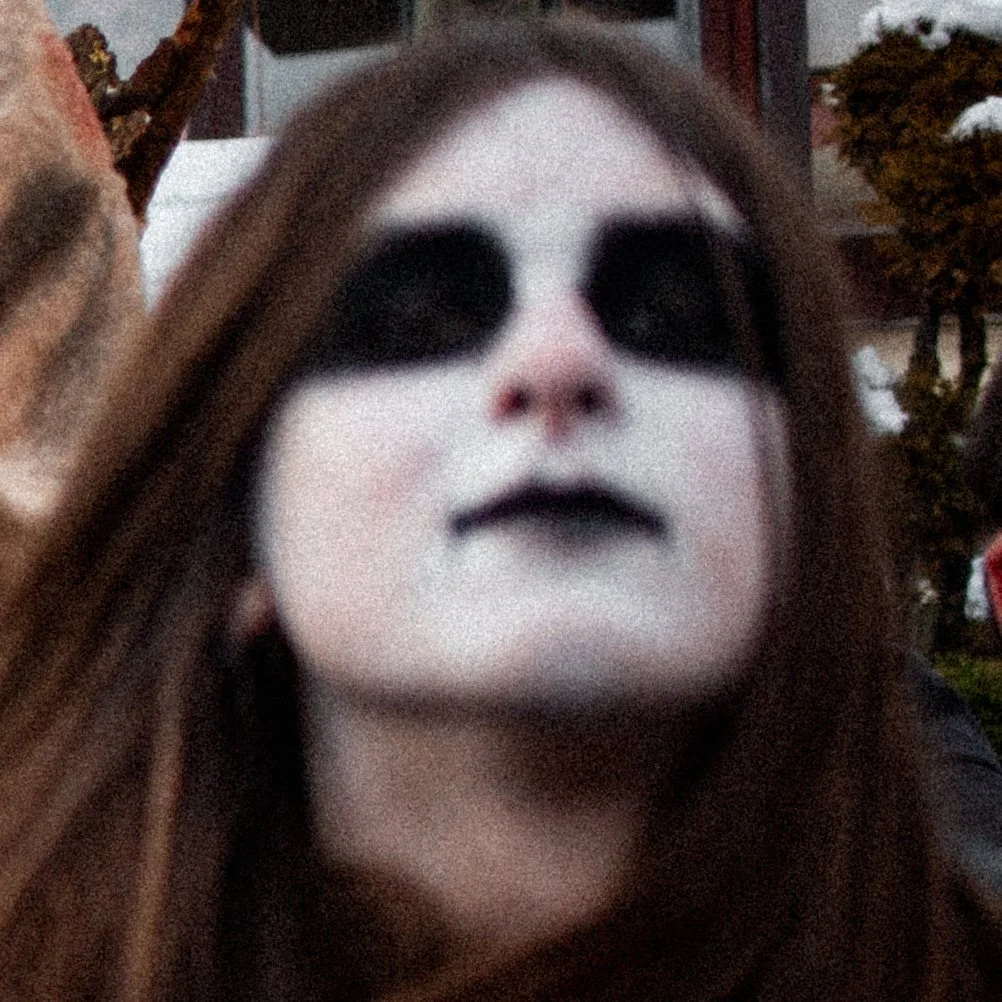
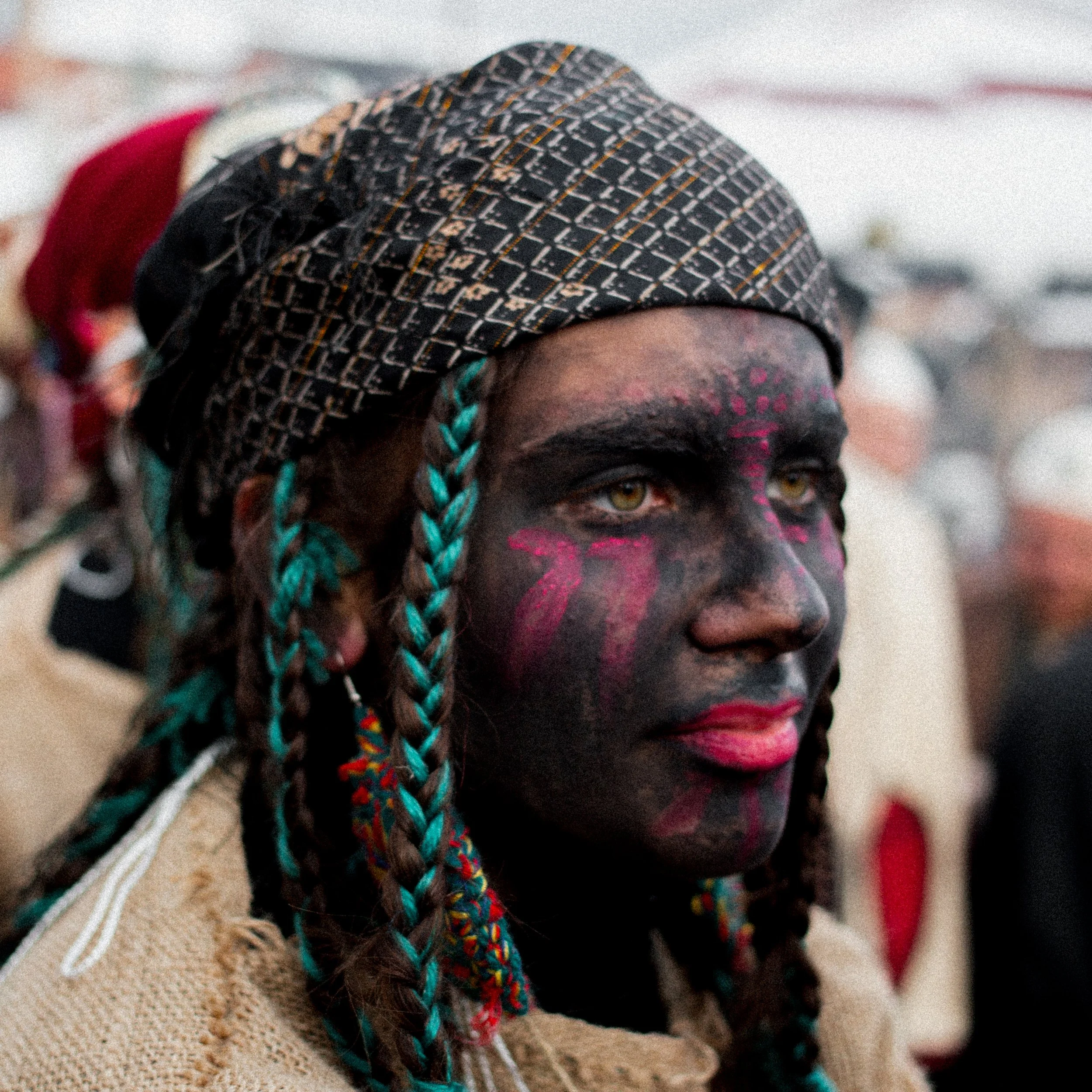
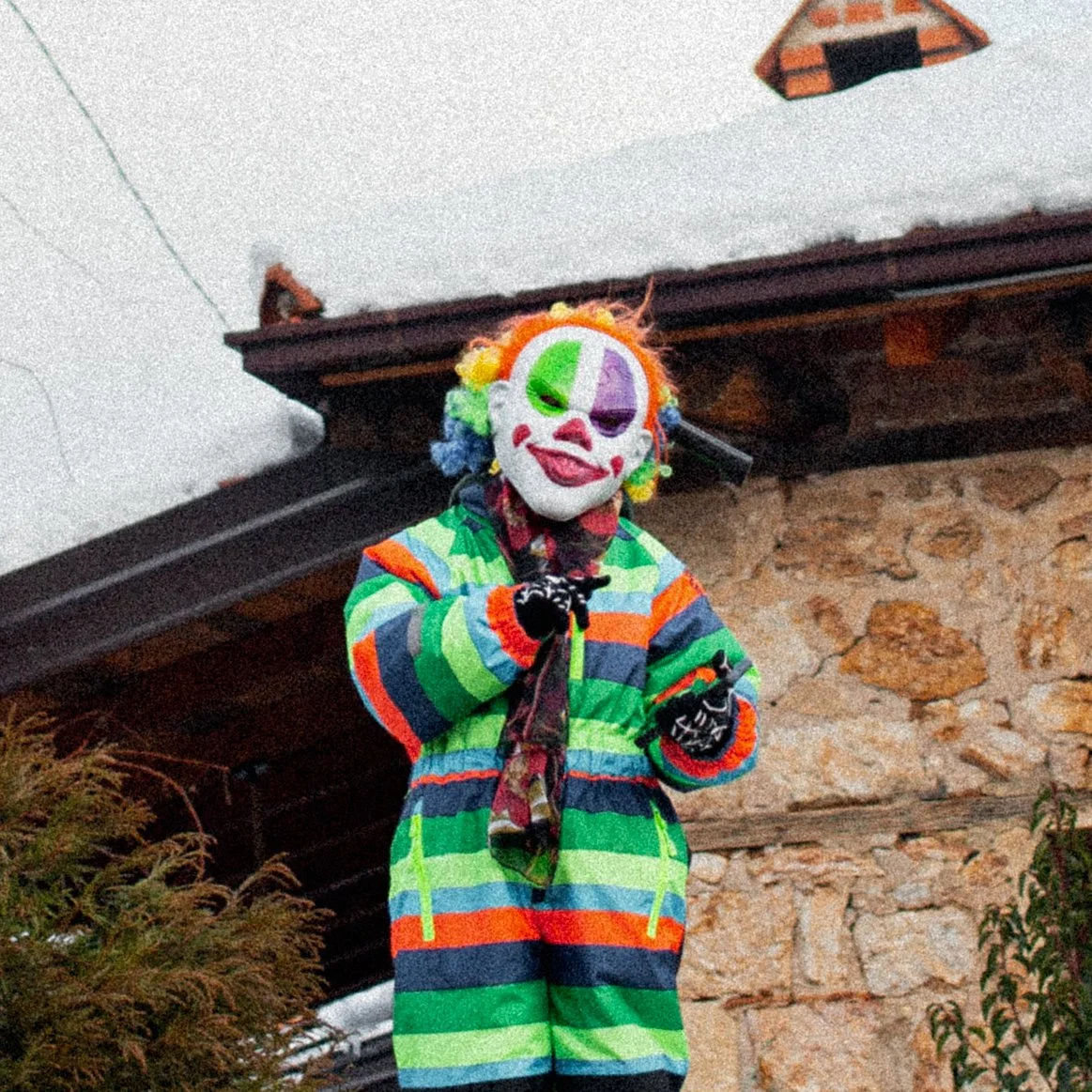
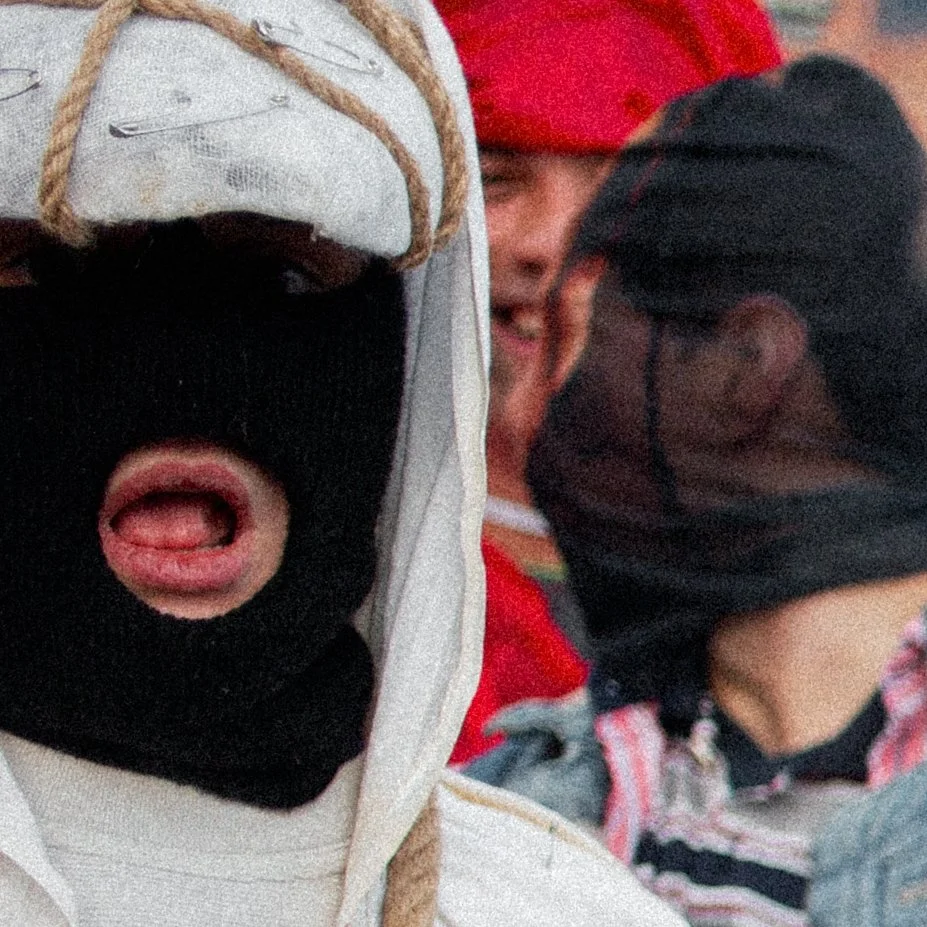
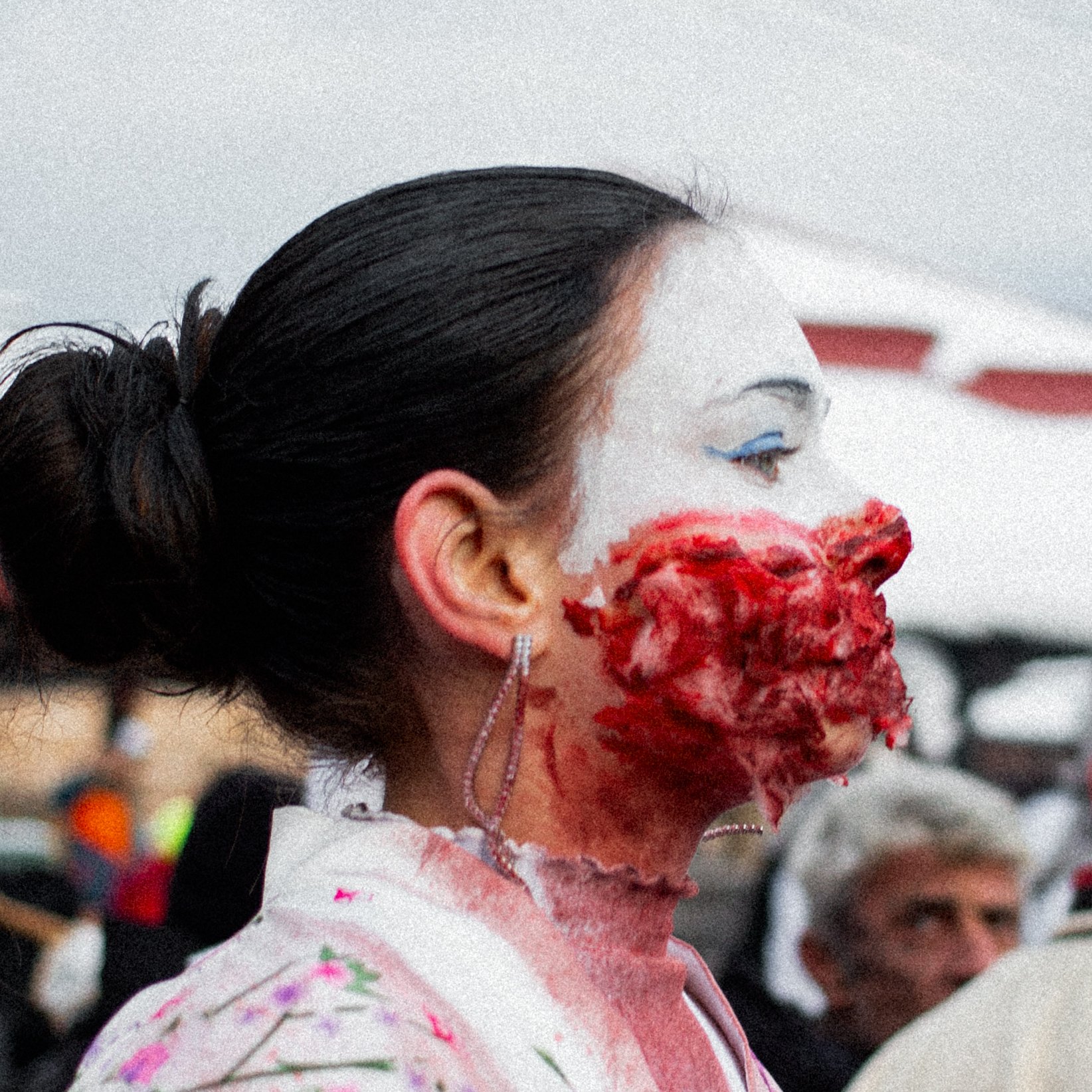
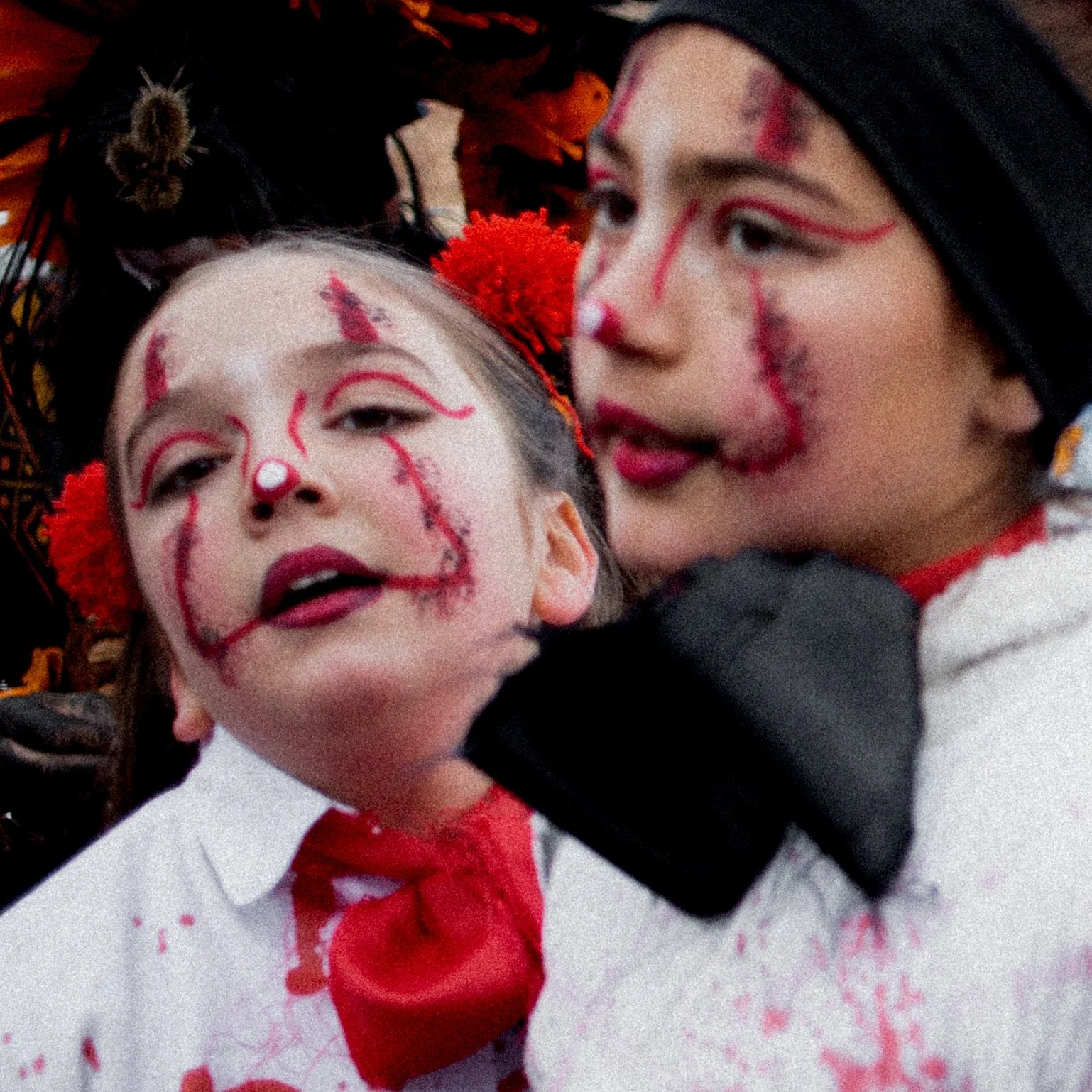
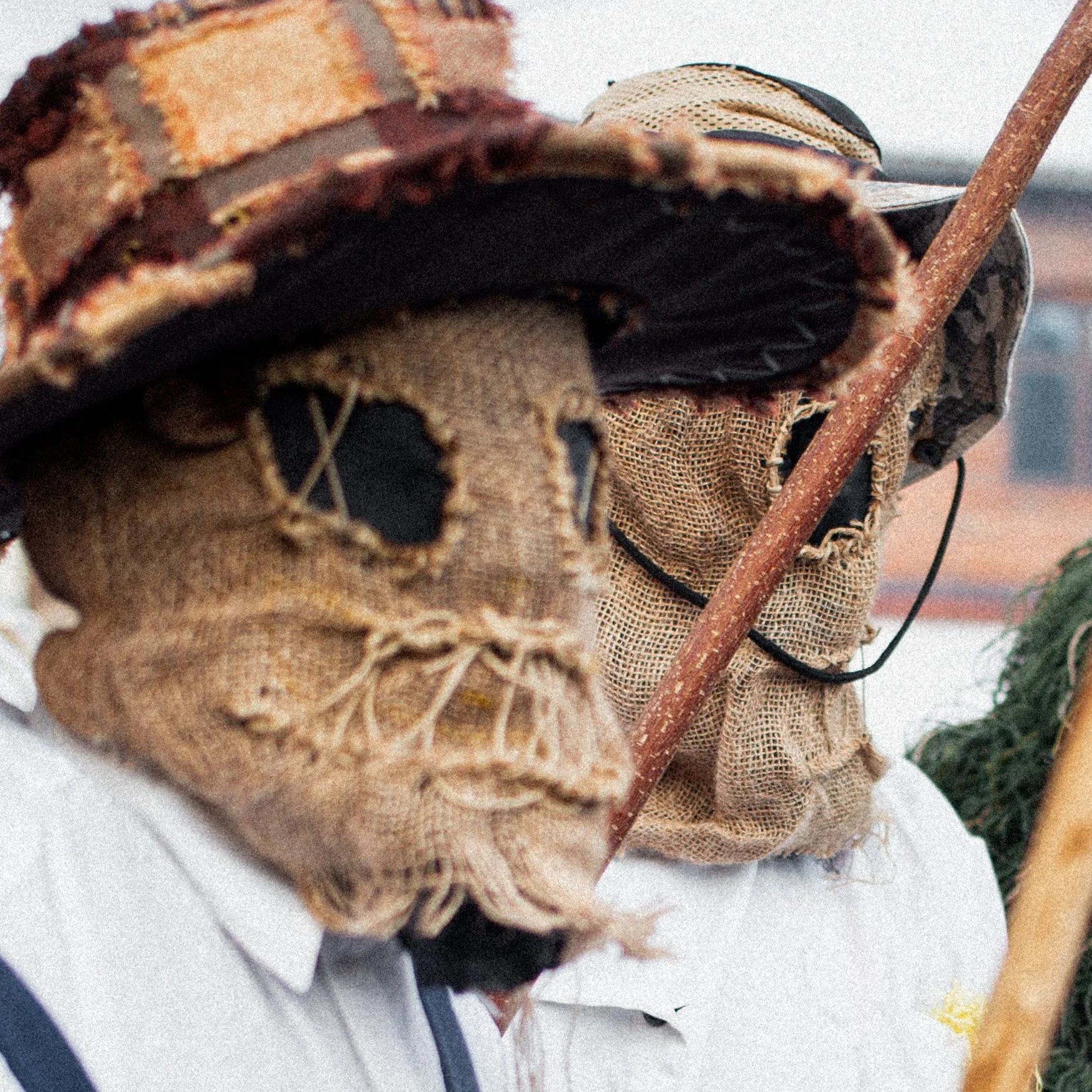
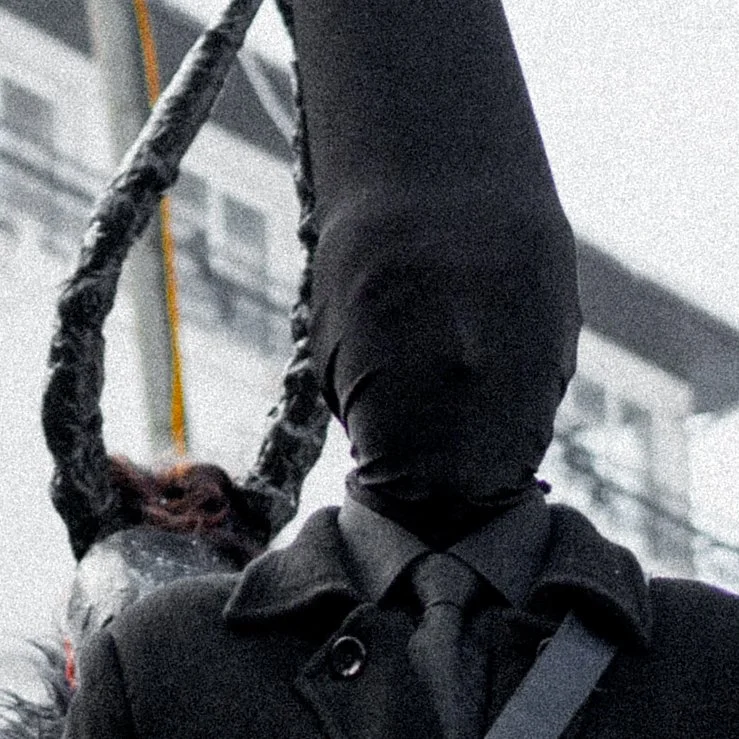
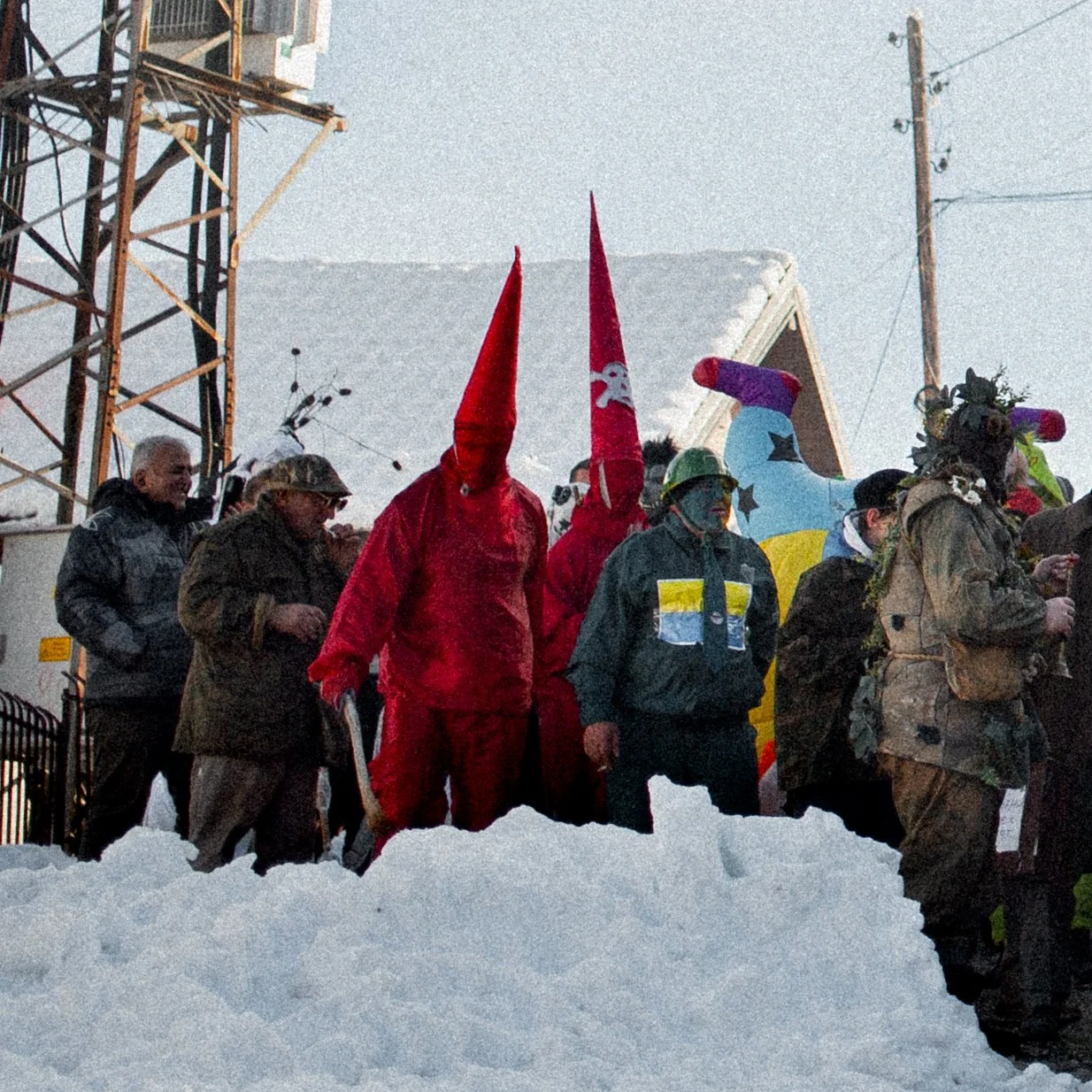
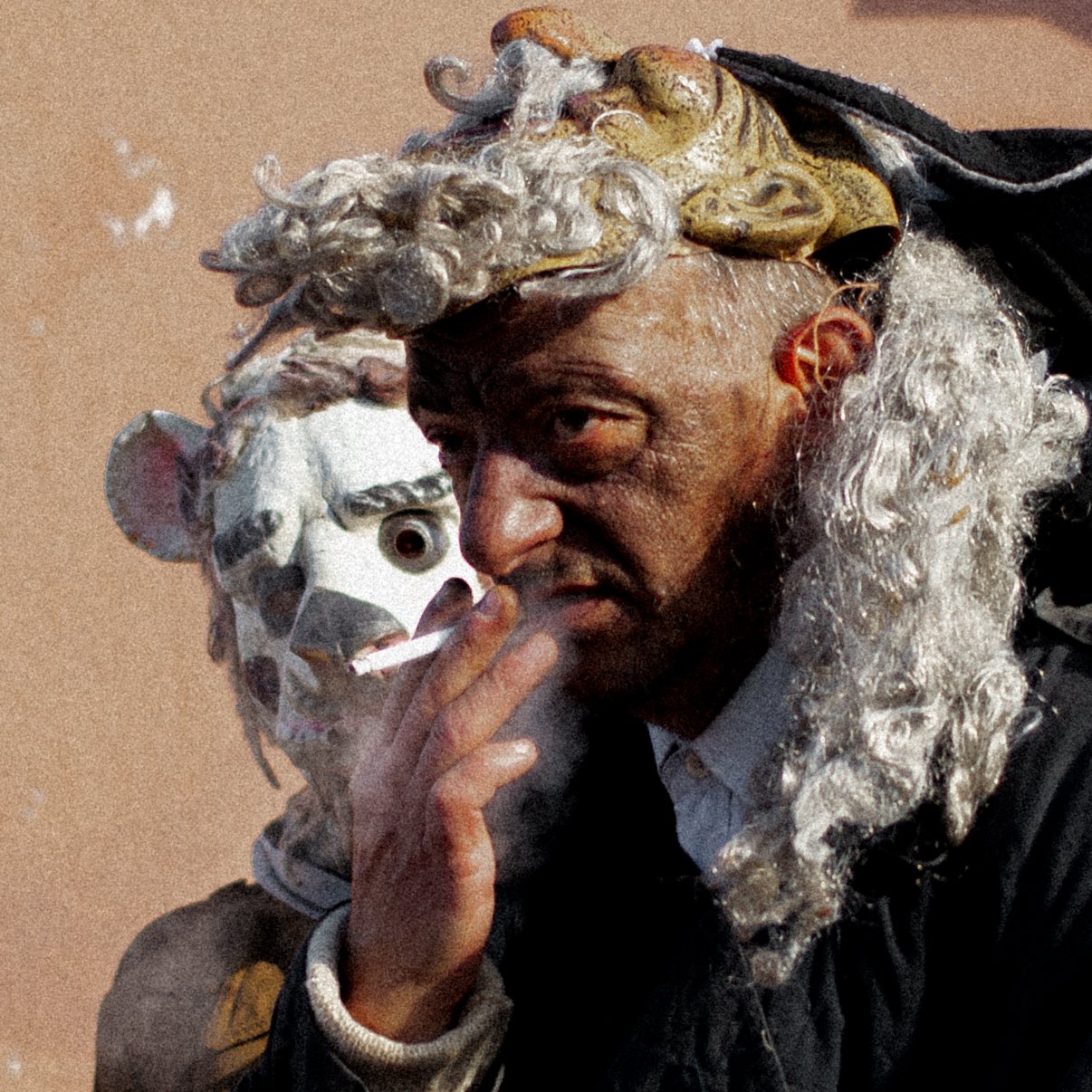
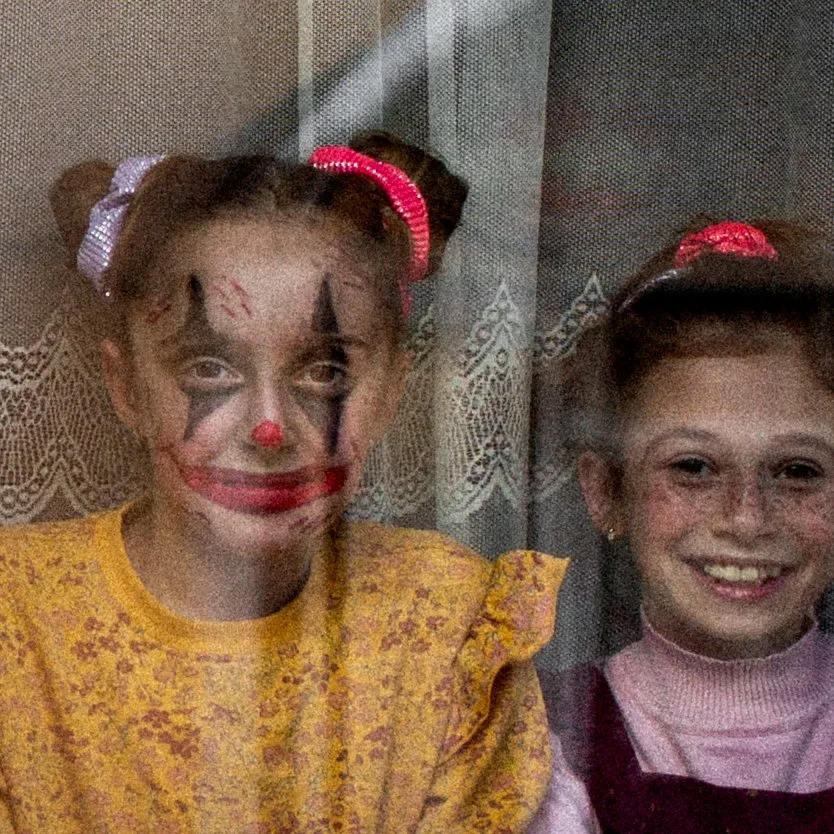
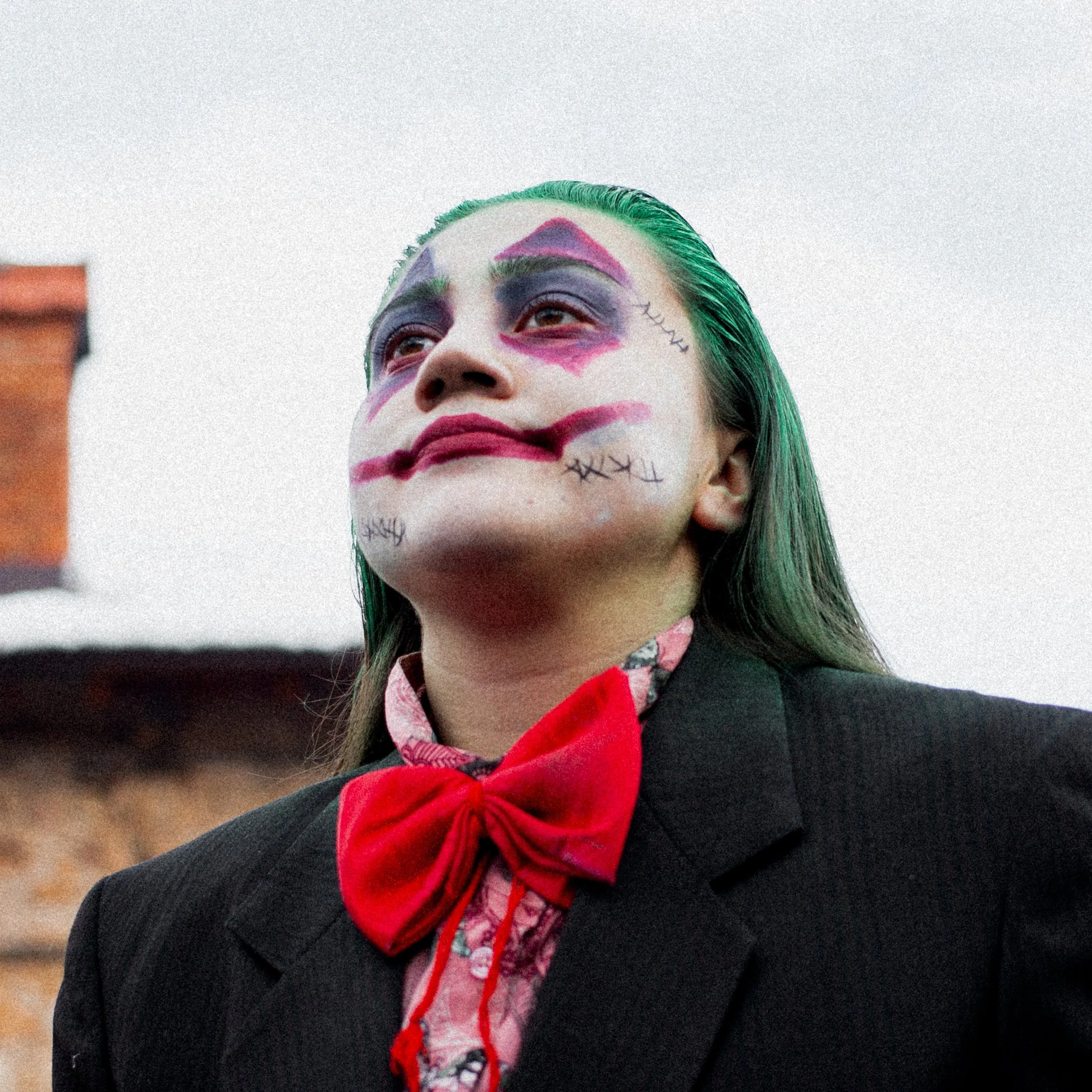
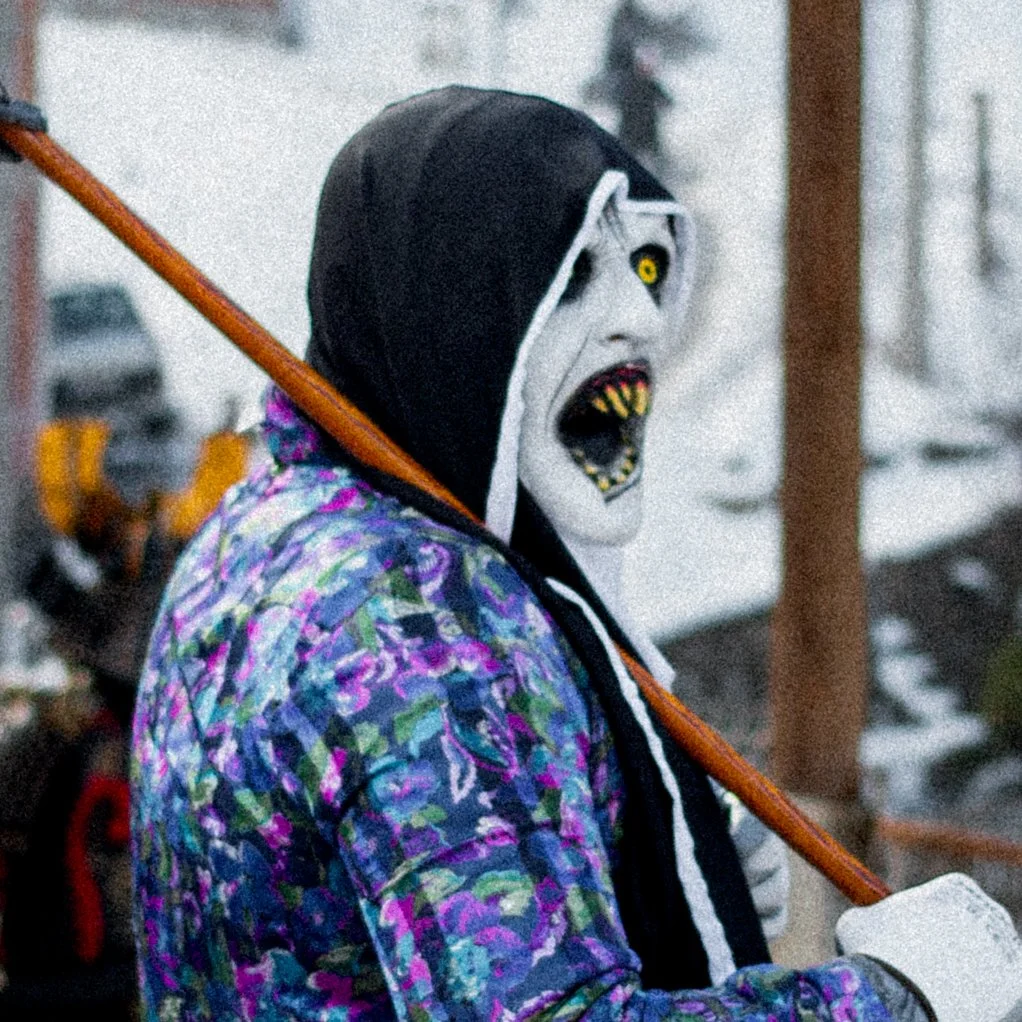
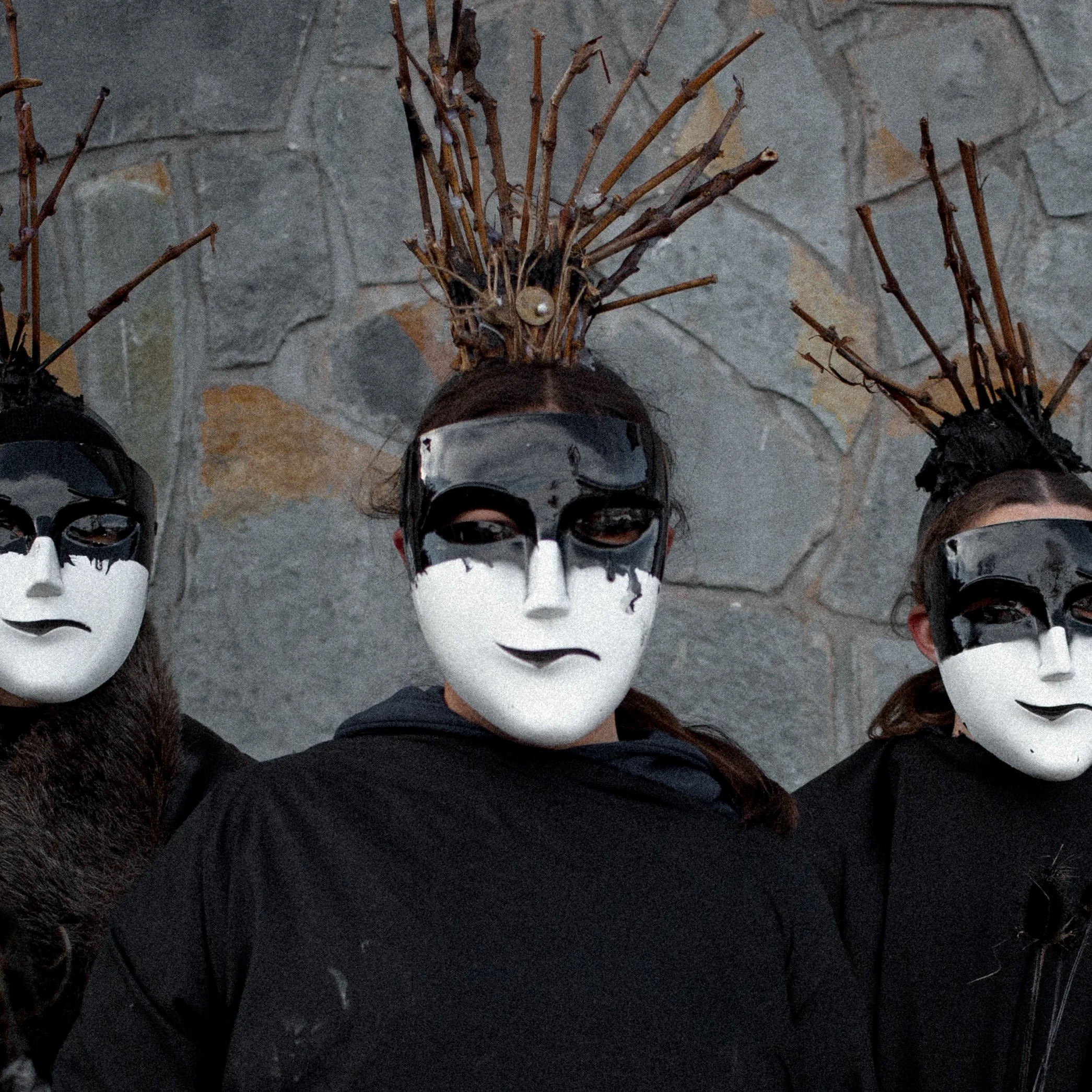
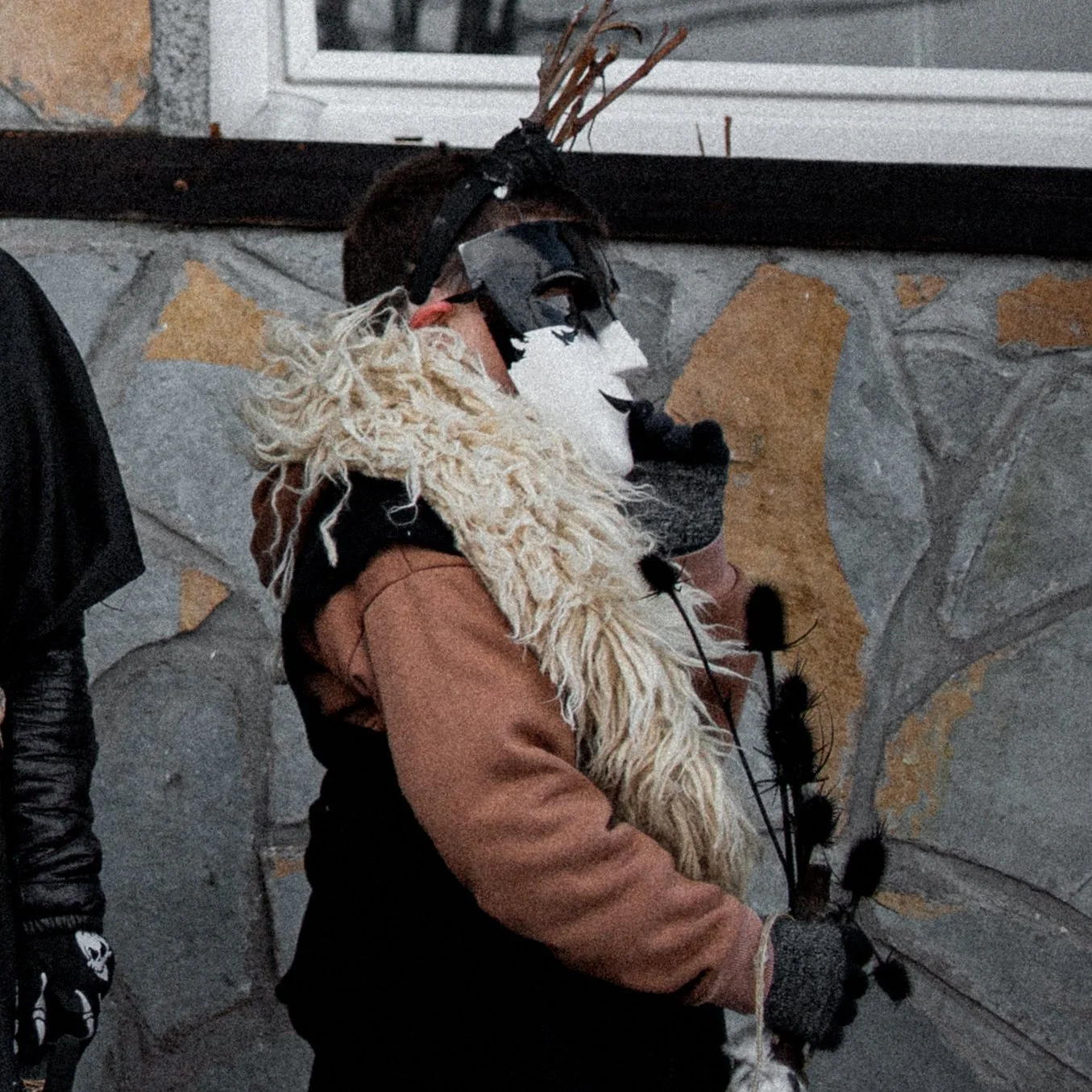
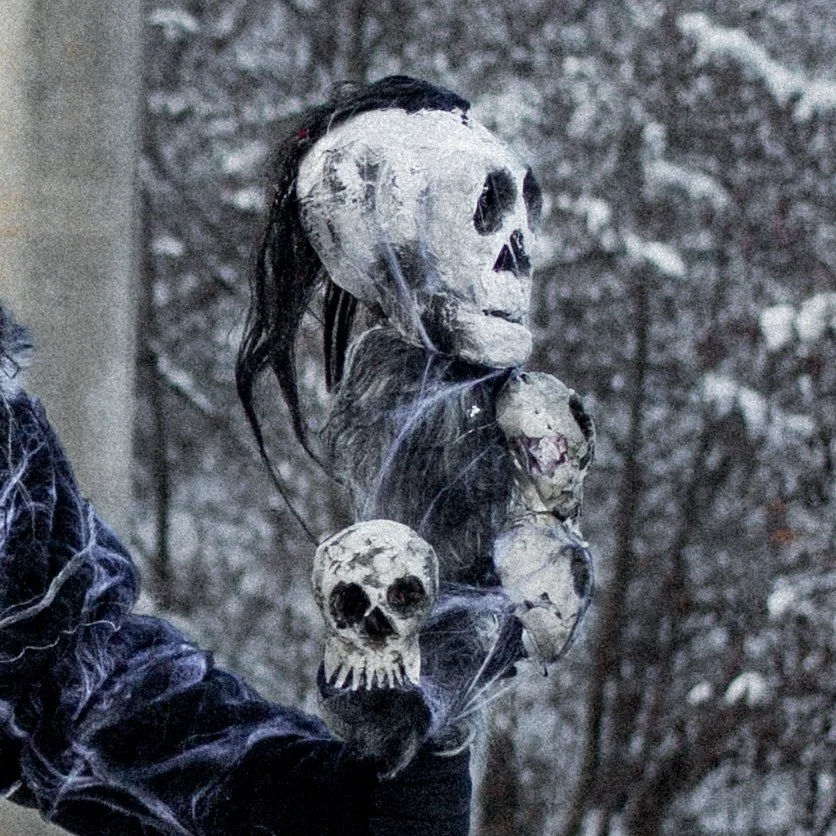
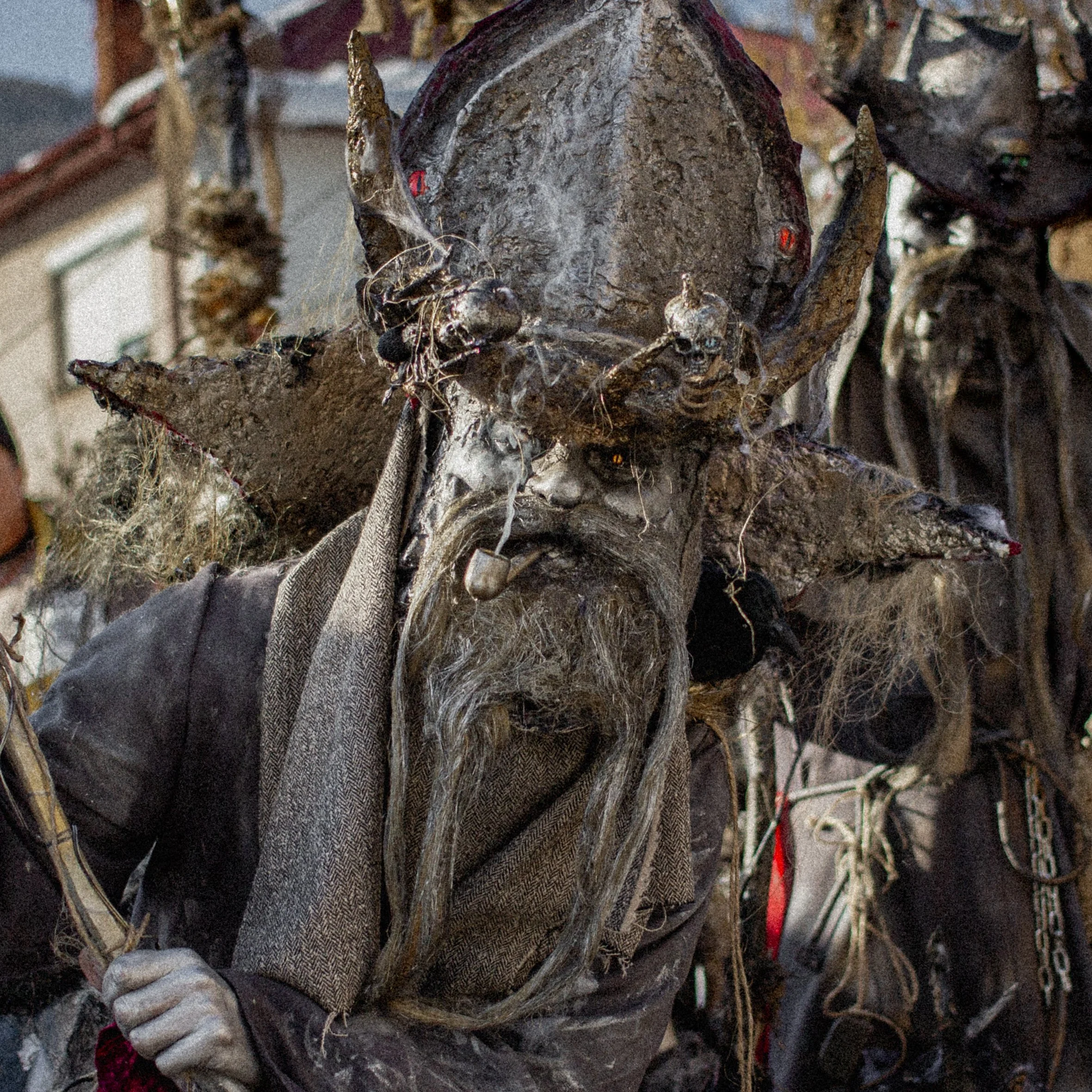
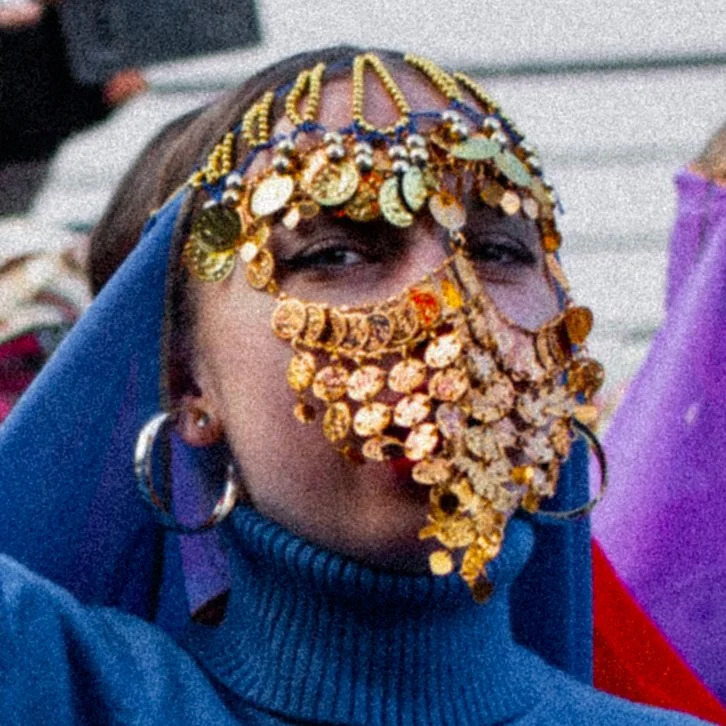
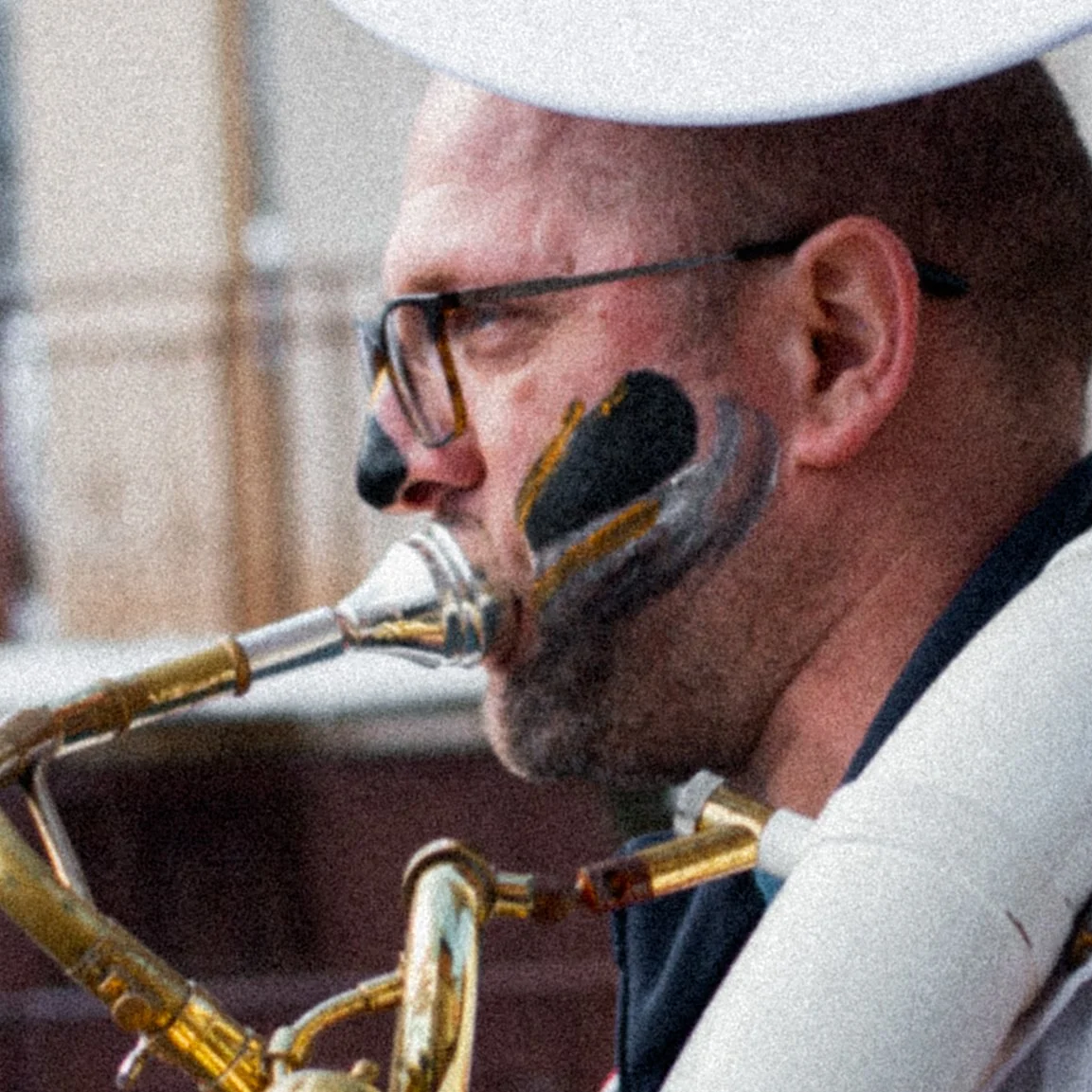
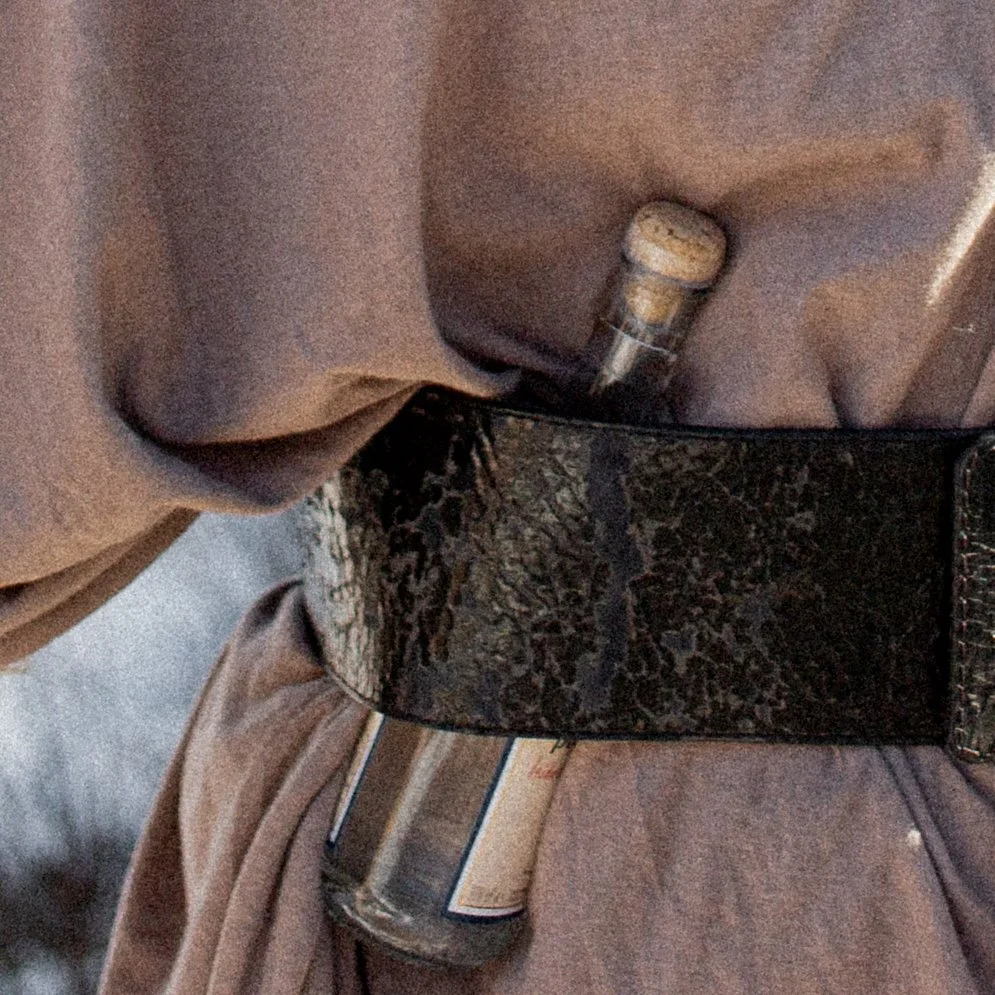
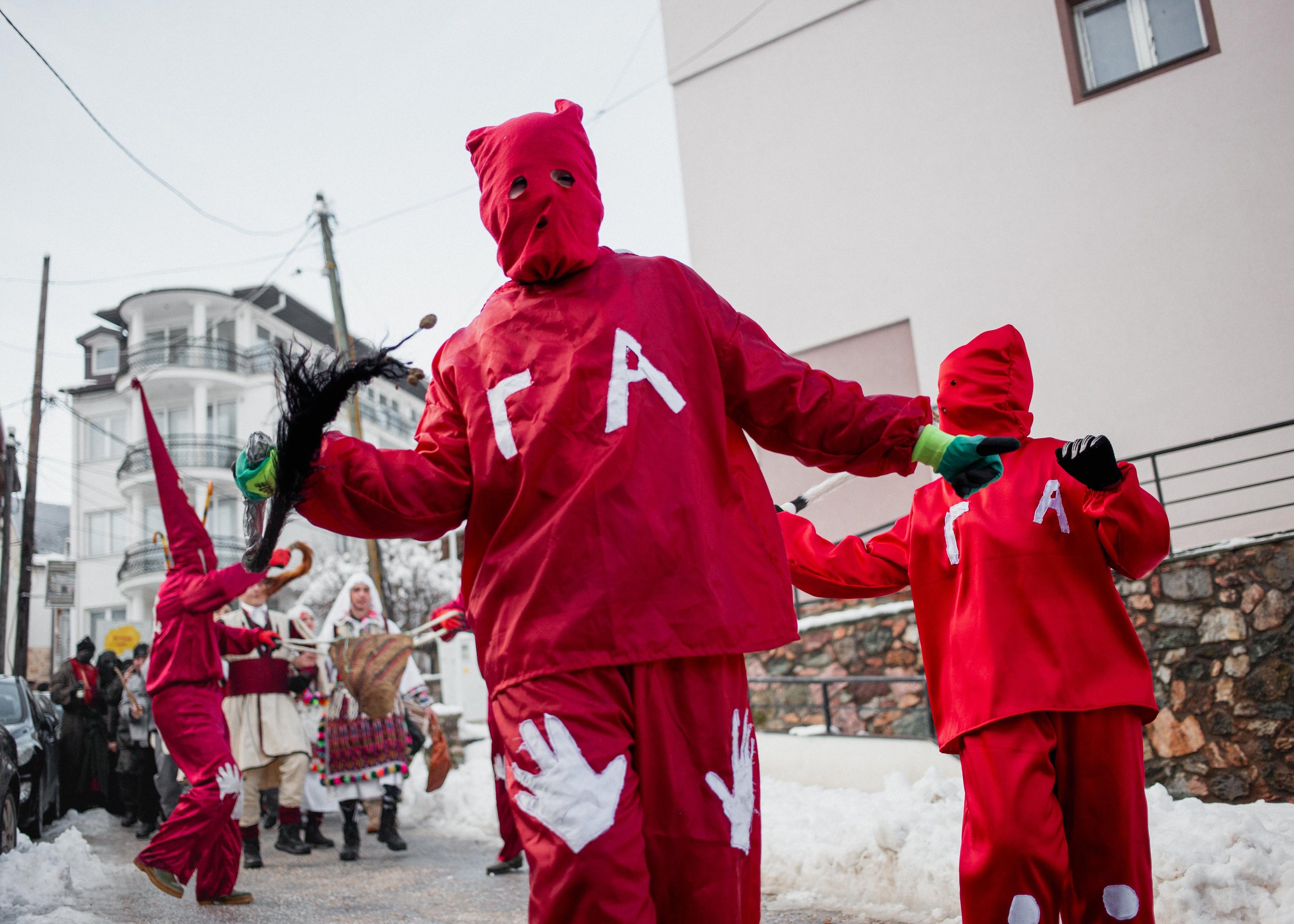
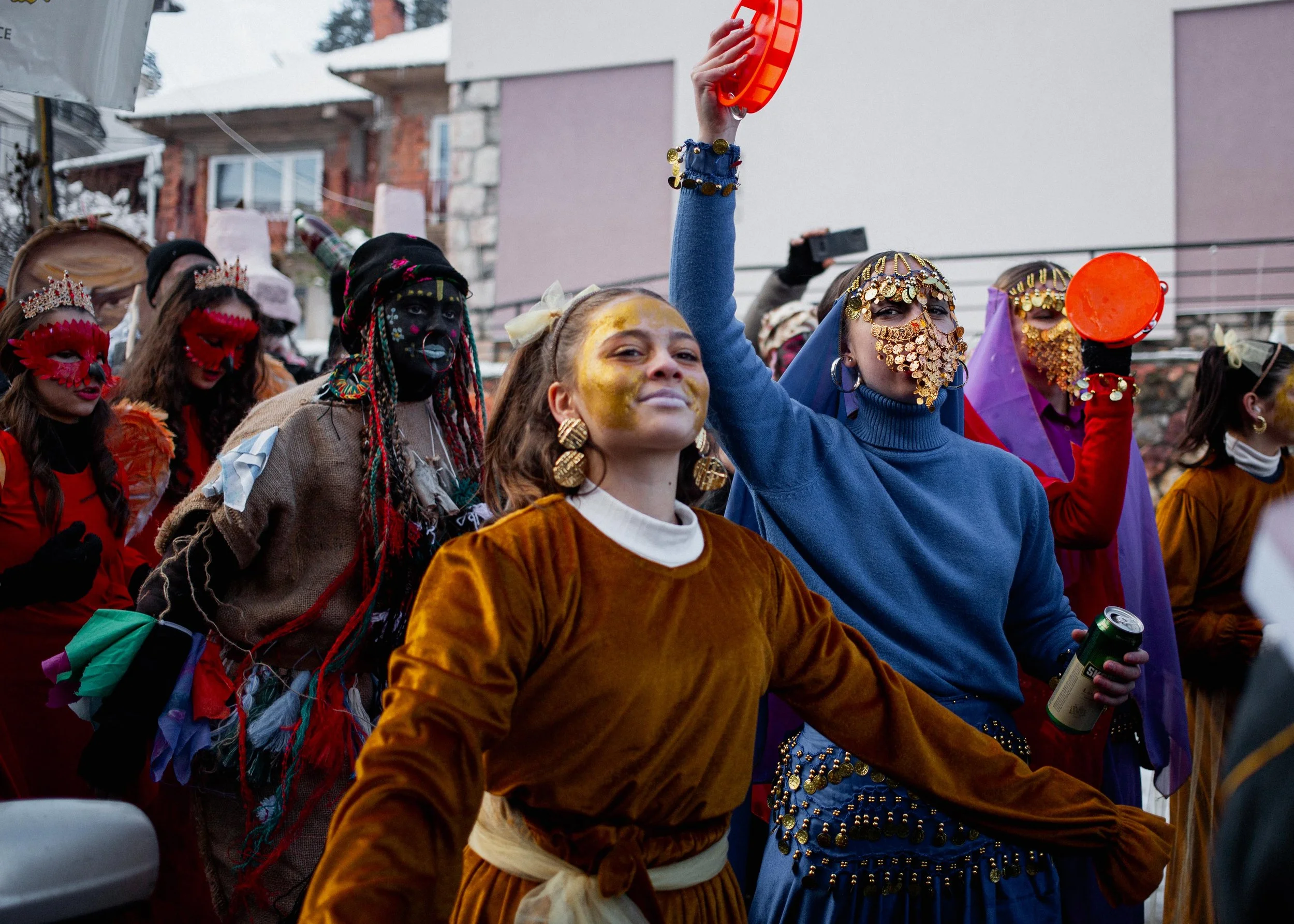
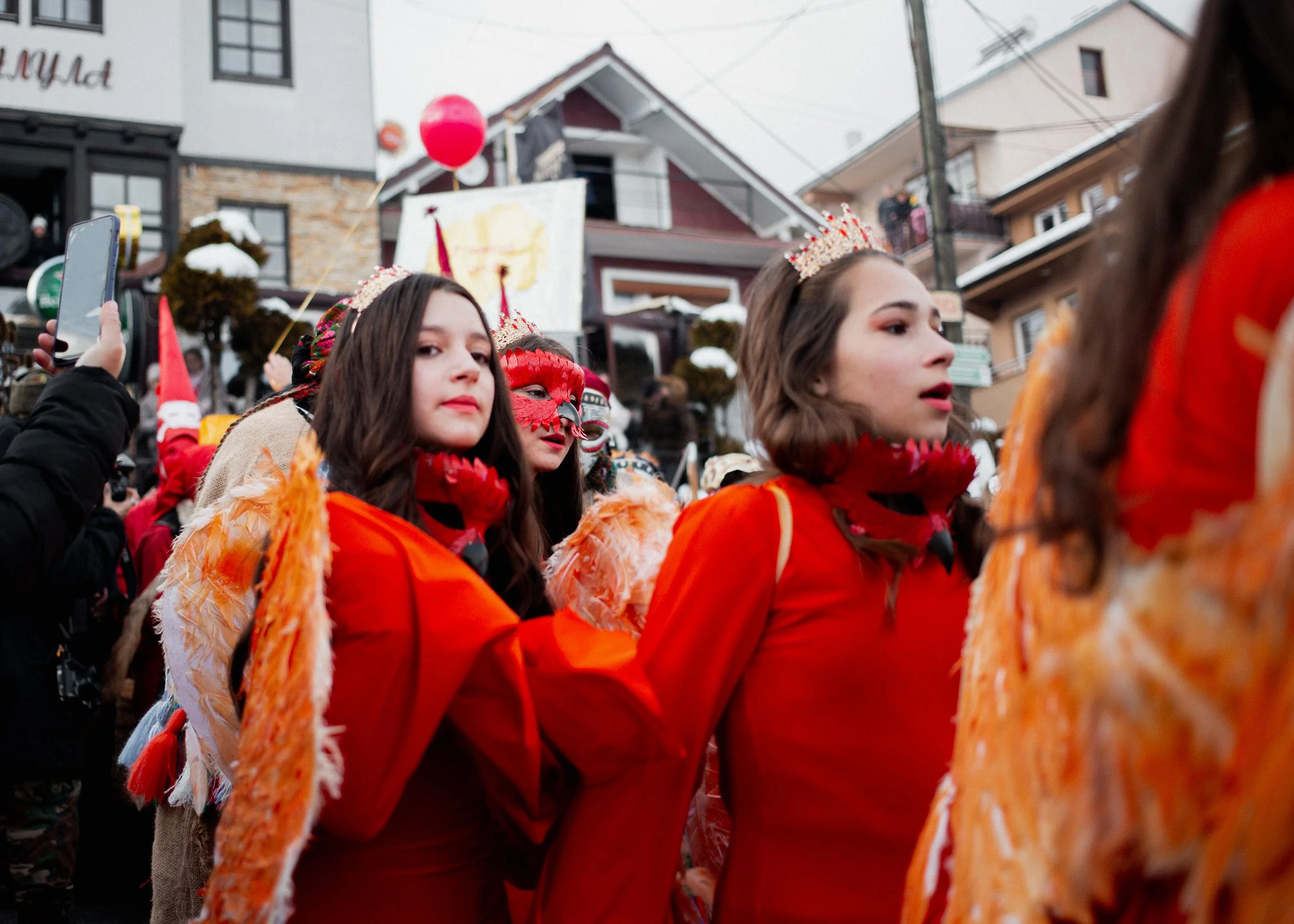
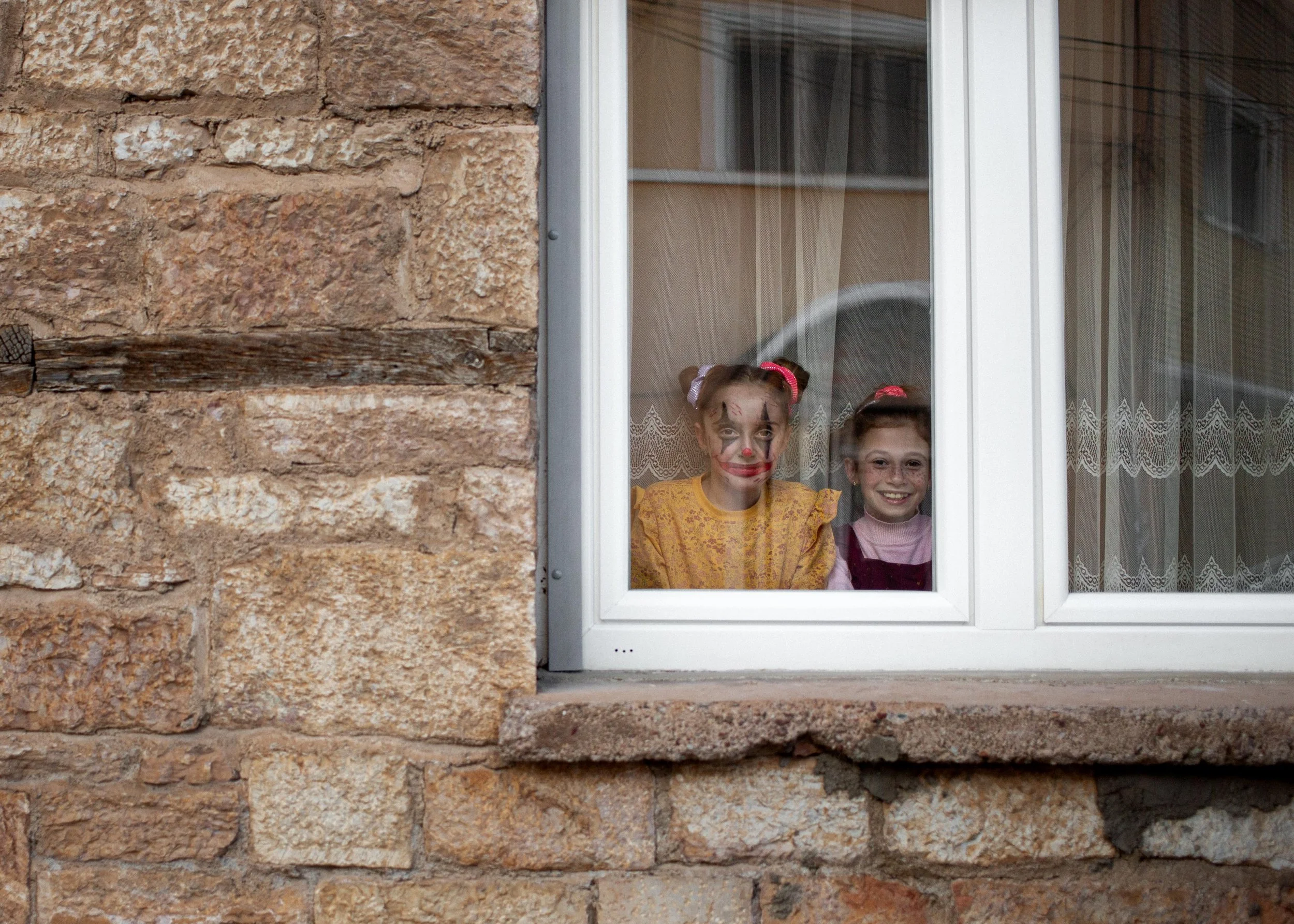
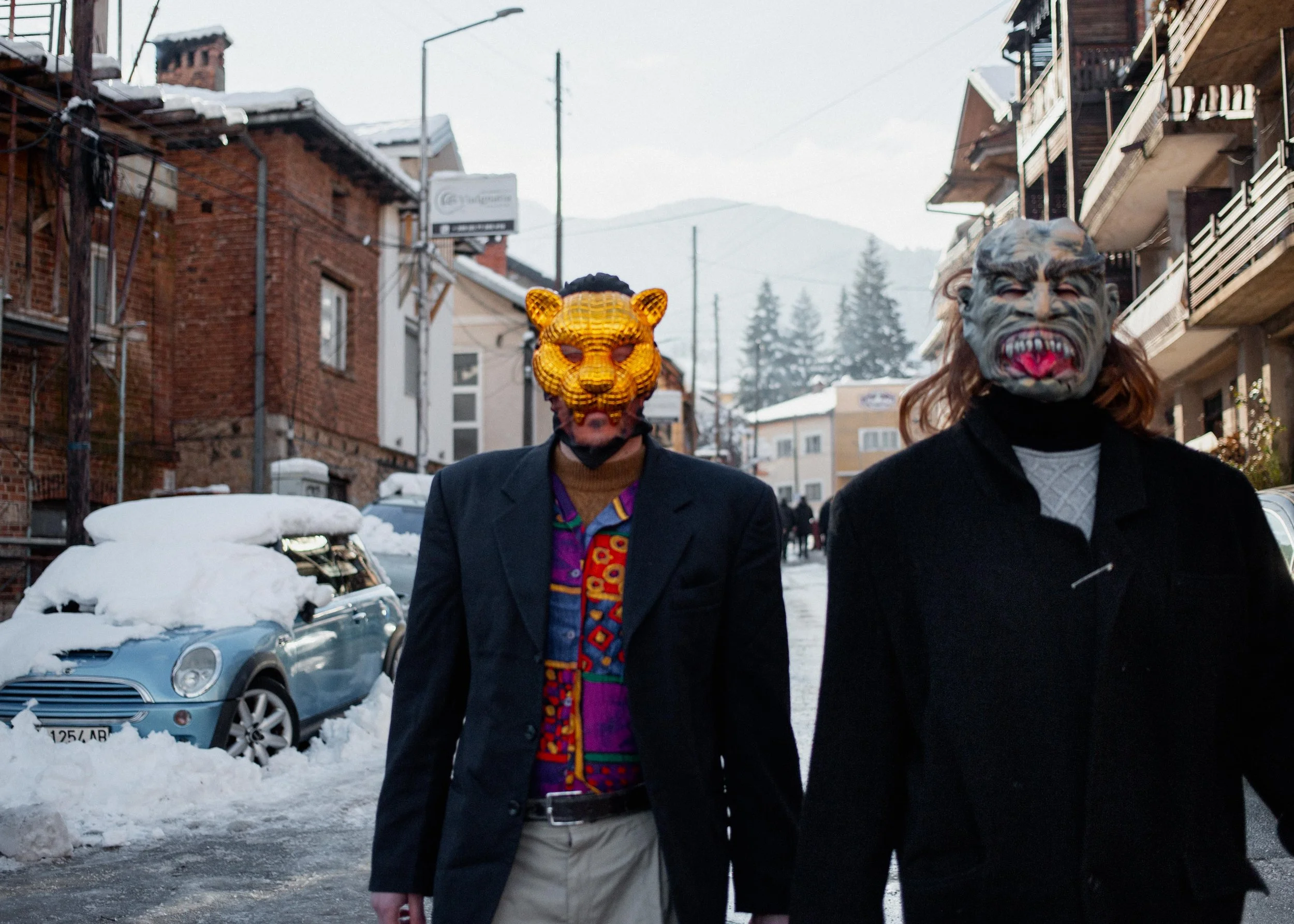
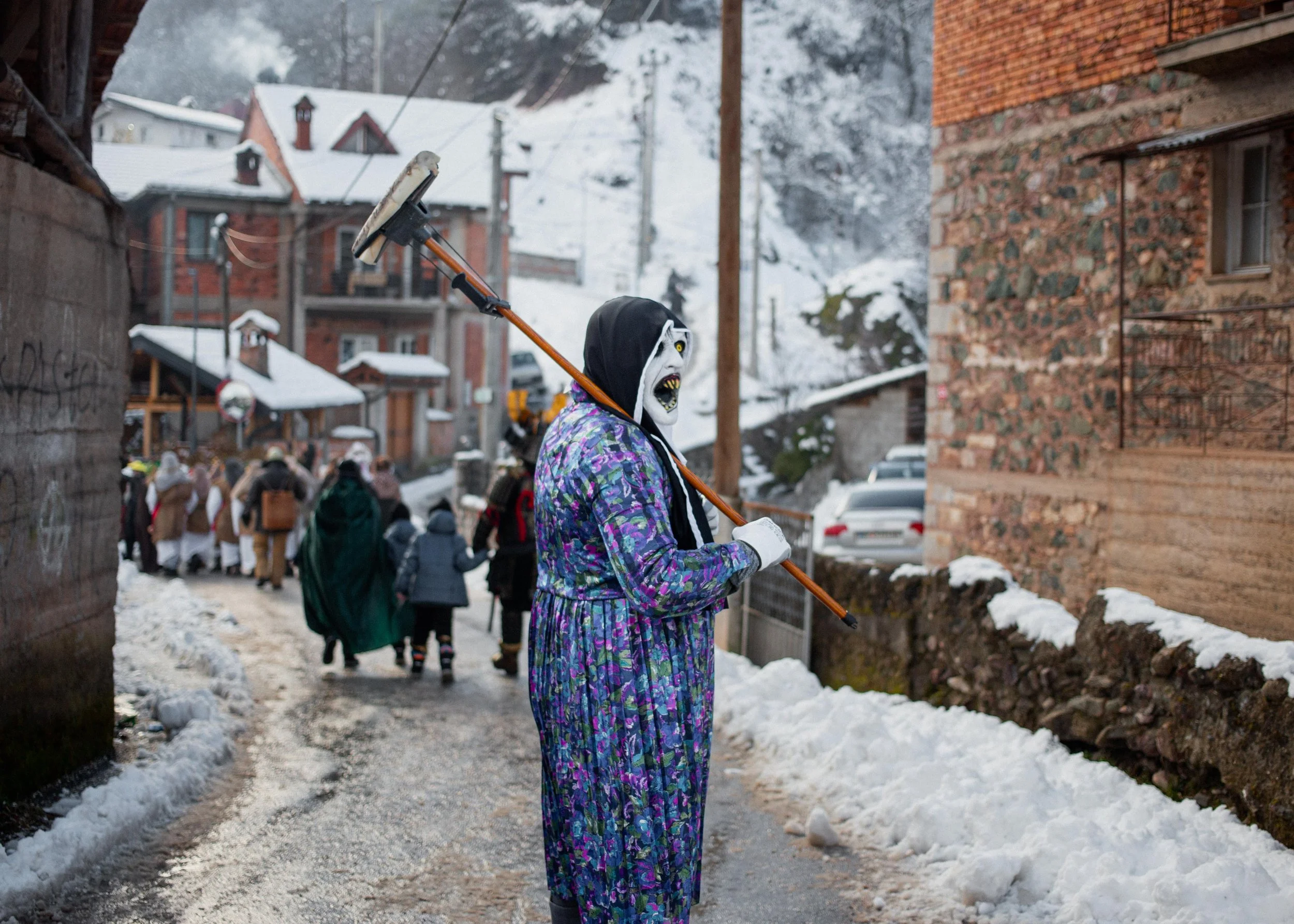
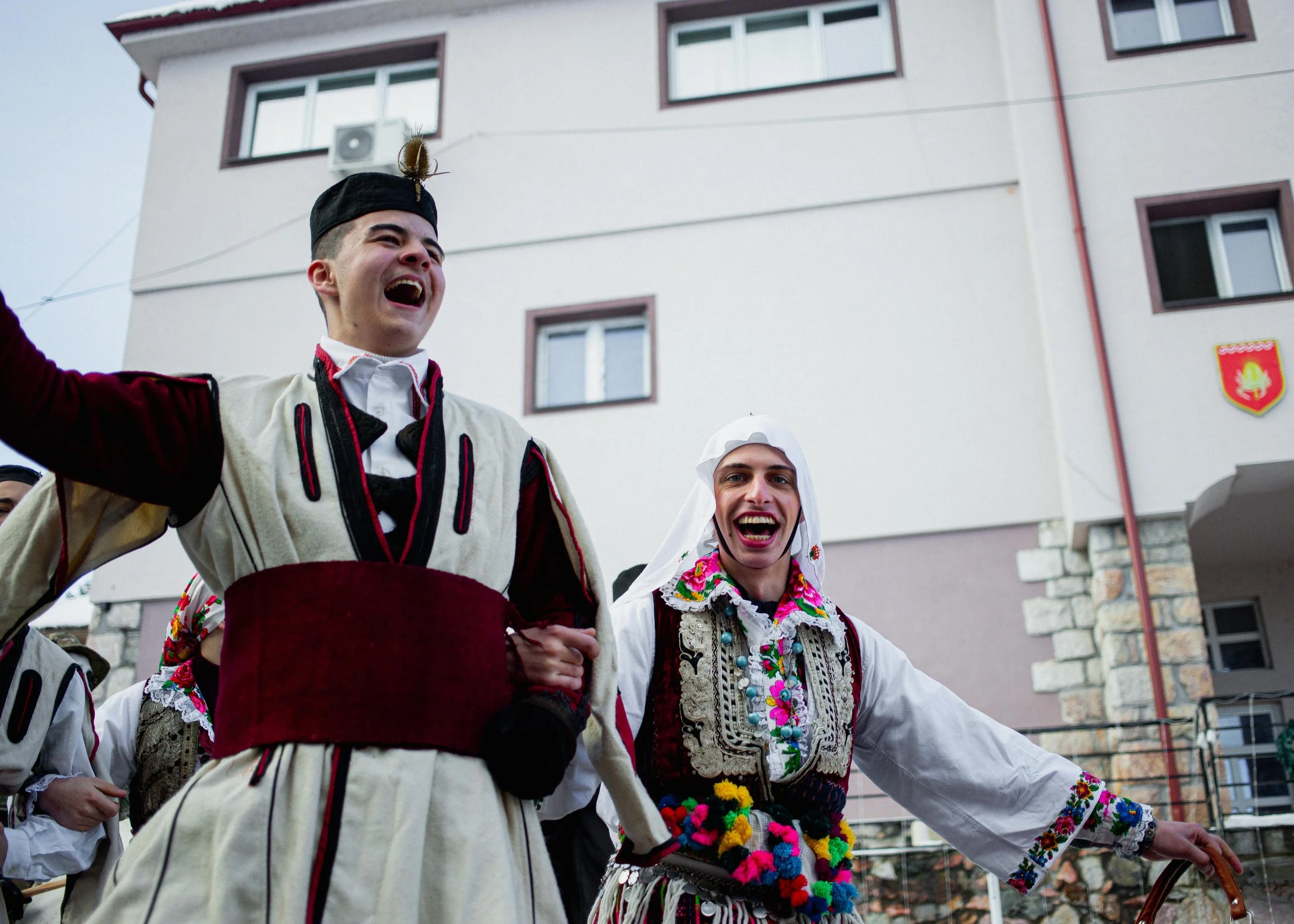
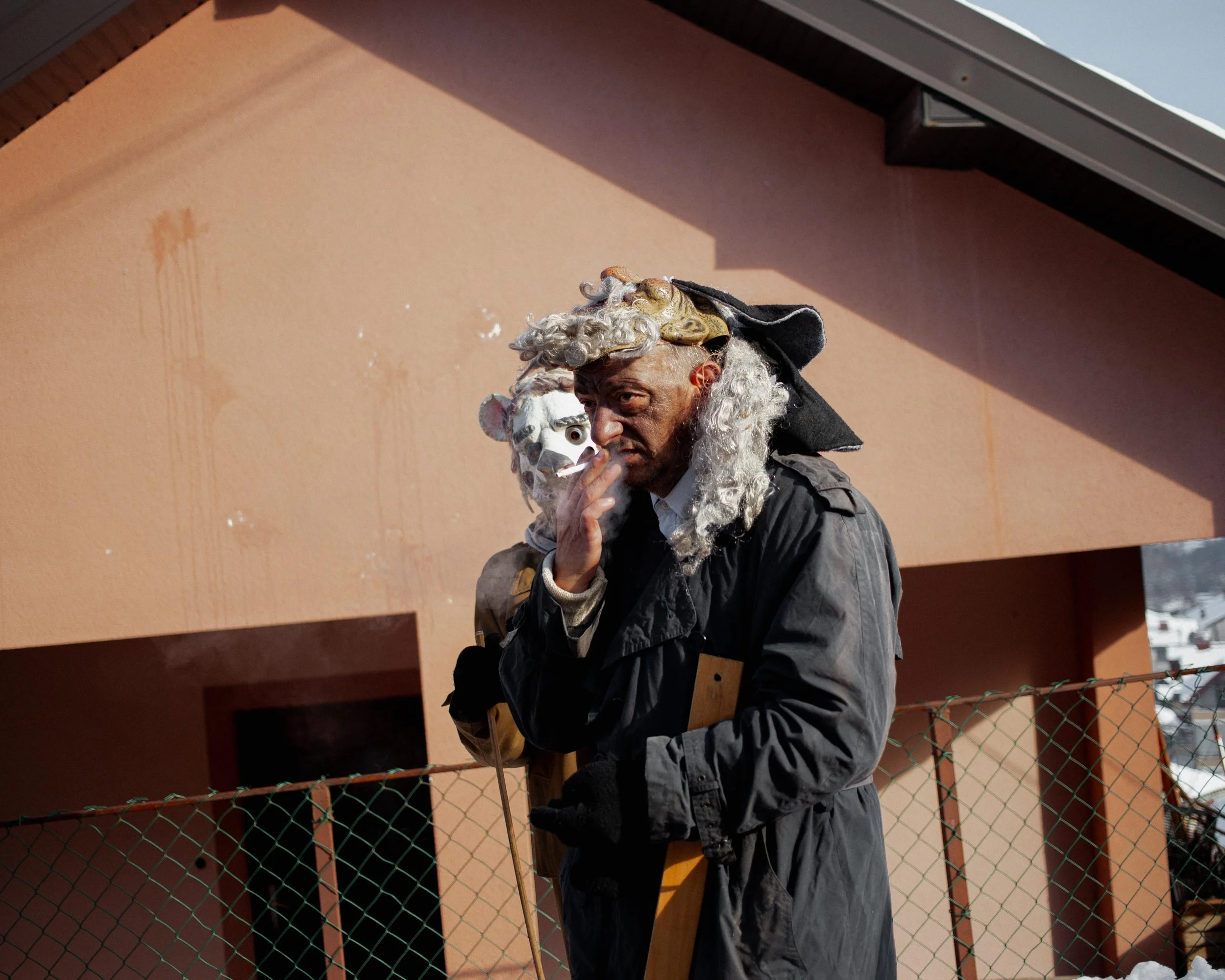
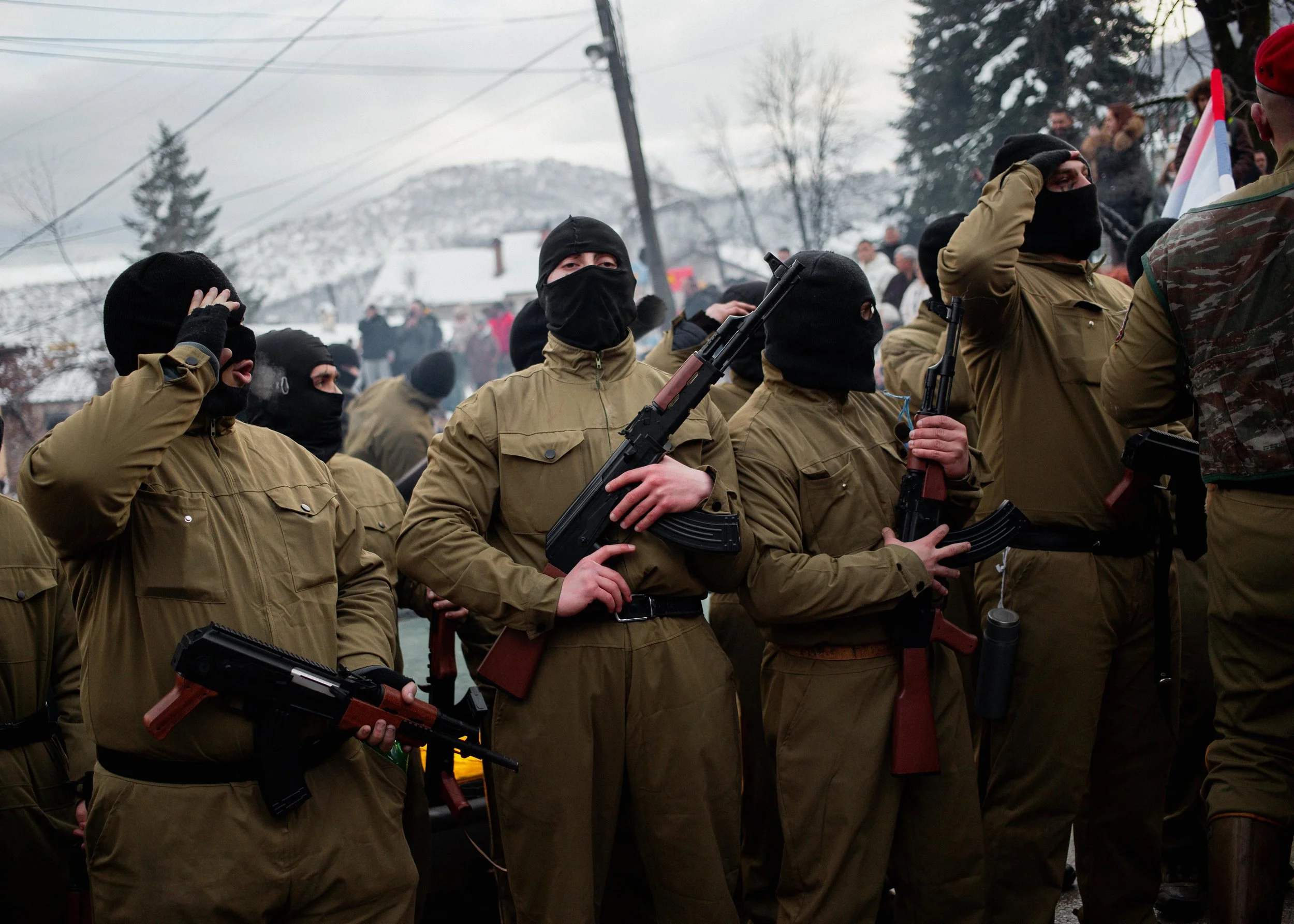
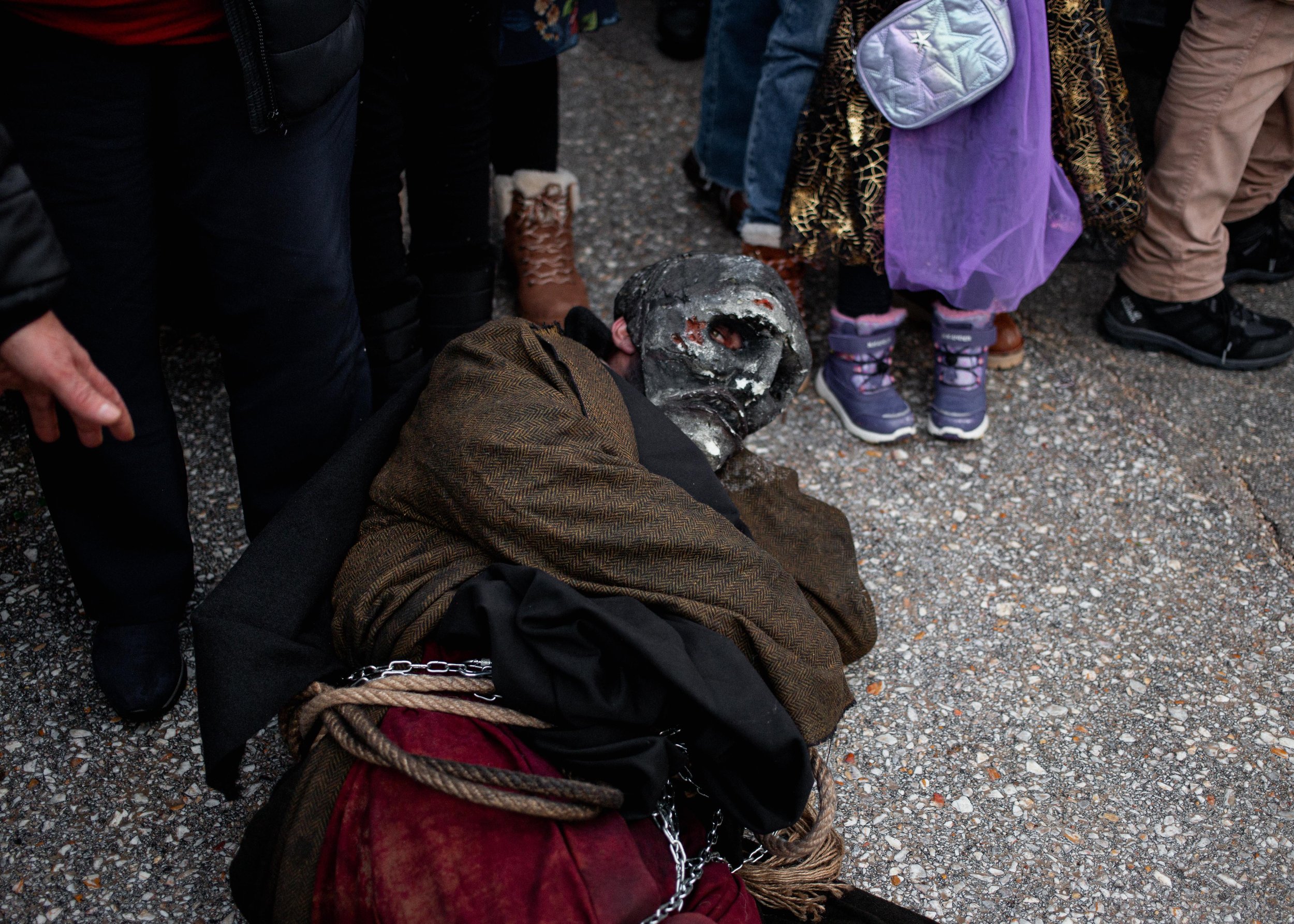
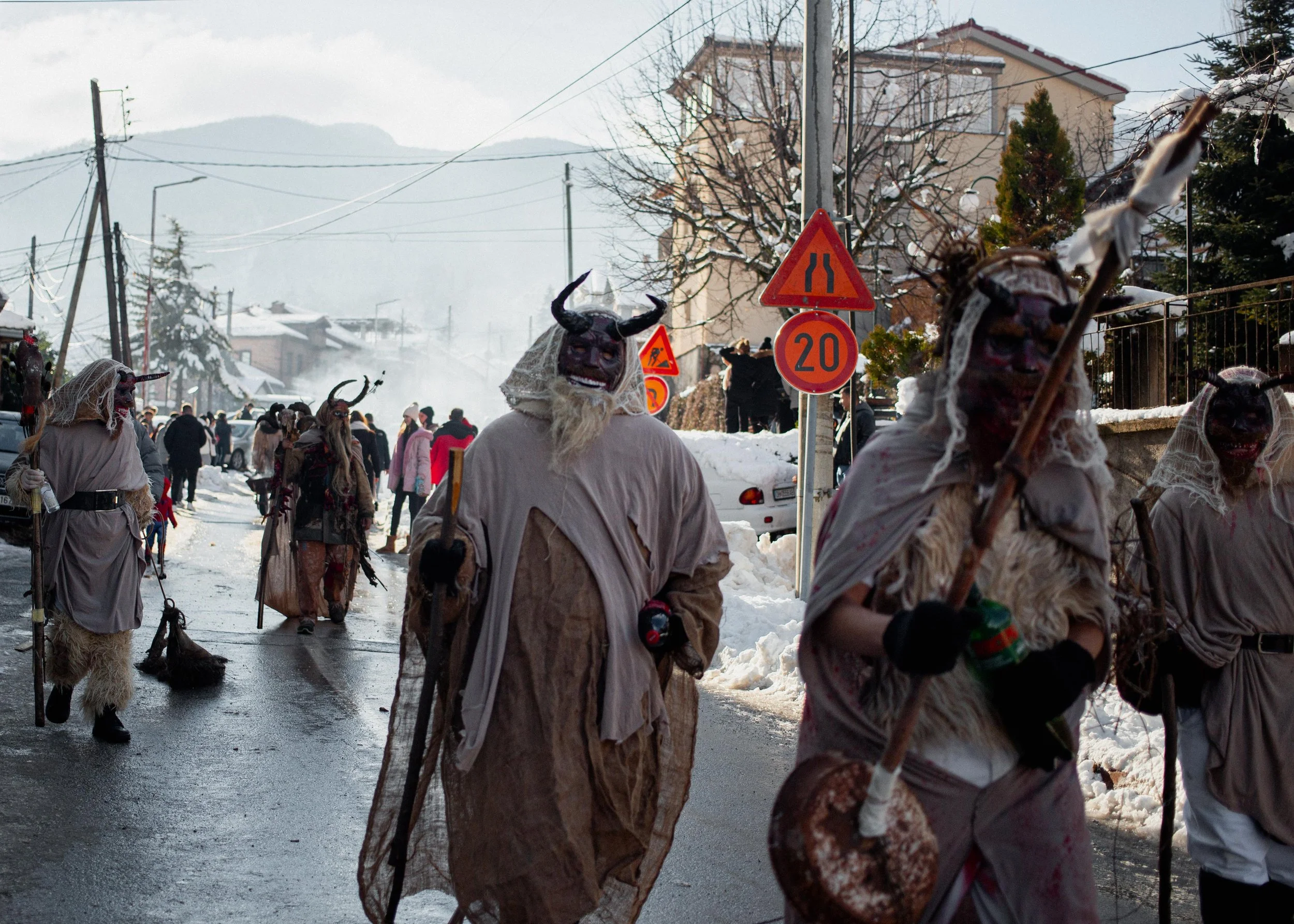
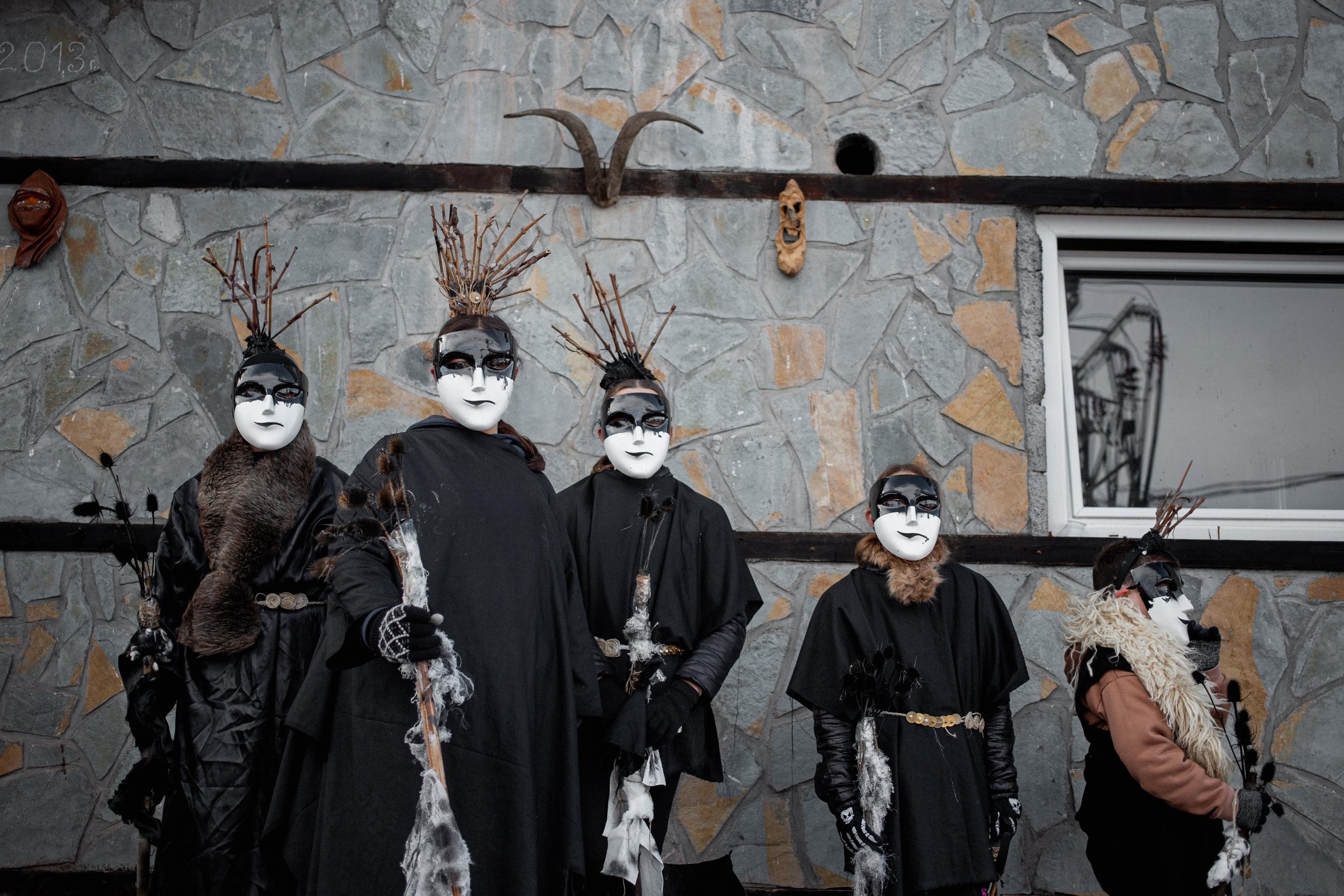
Participants, known as Vasilichari, wear masks and move through the village from street to street on January 13. The masks include figures associated with pre-Slavic and Slavic folk traditions — forest spirits, demons, zoomorphic and hybrid beings — alongside archetypal carnival characters such as the Bride and Groom, symbols of fertility, and the Fool (Stupid August). These figures should not be read as a fixed mythology, but as flexible archetypes whose meanings are locally produced and constantly reshaped.
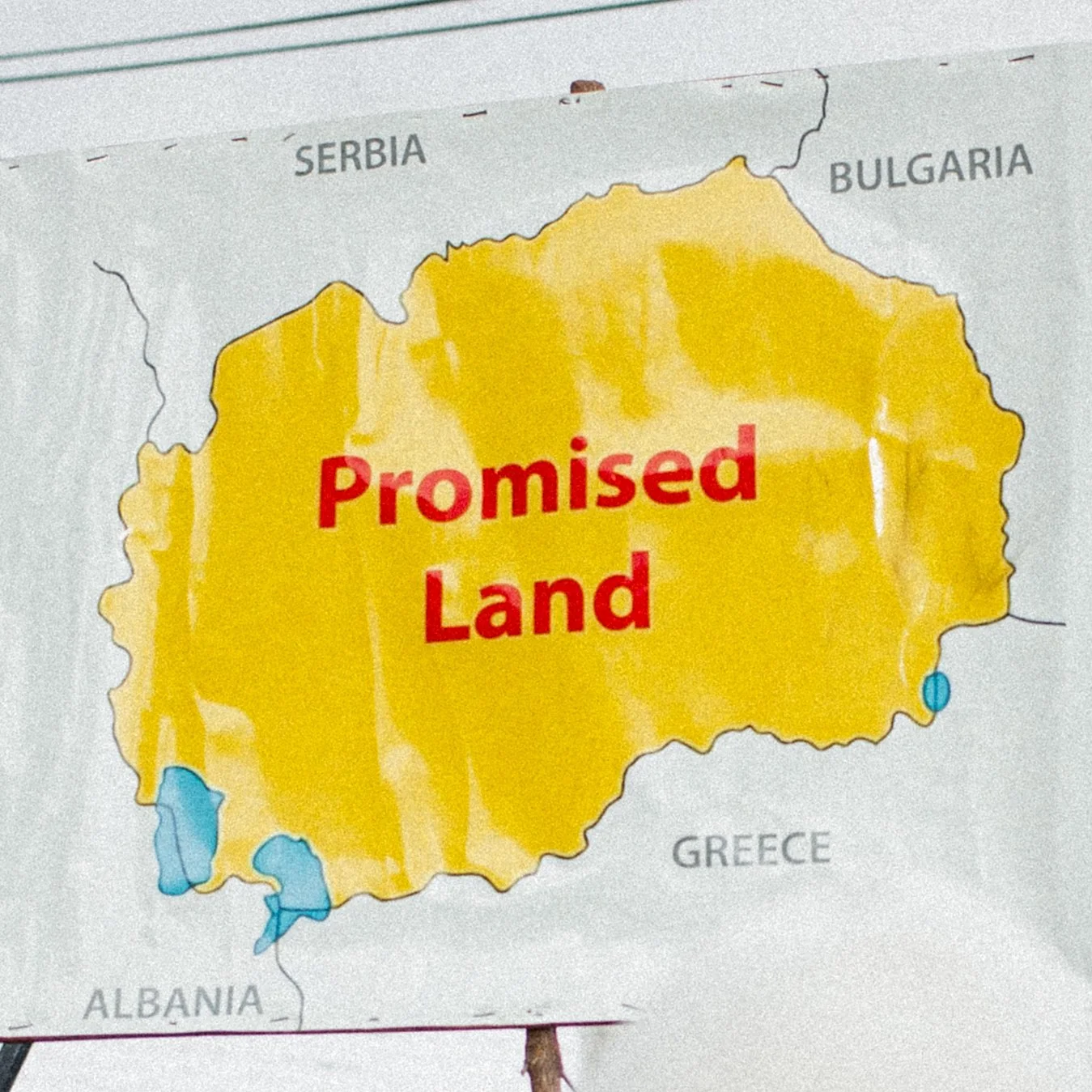
Every year on January 13–14, Orthodox Christians following the Julian calendar celebrate the Old New Year. In Macedonia, this date coincides with the St. Basil’s Day (Sv. Vasilij), locally known as Vasilica. In the village of Vevčani, this moment marks the annual carnival, a ritual transition between the old and the new year.
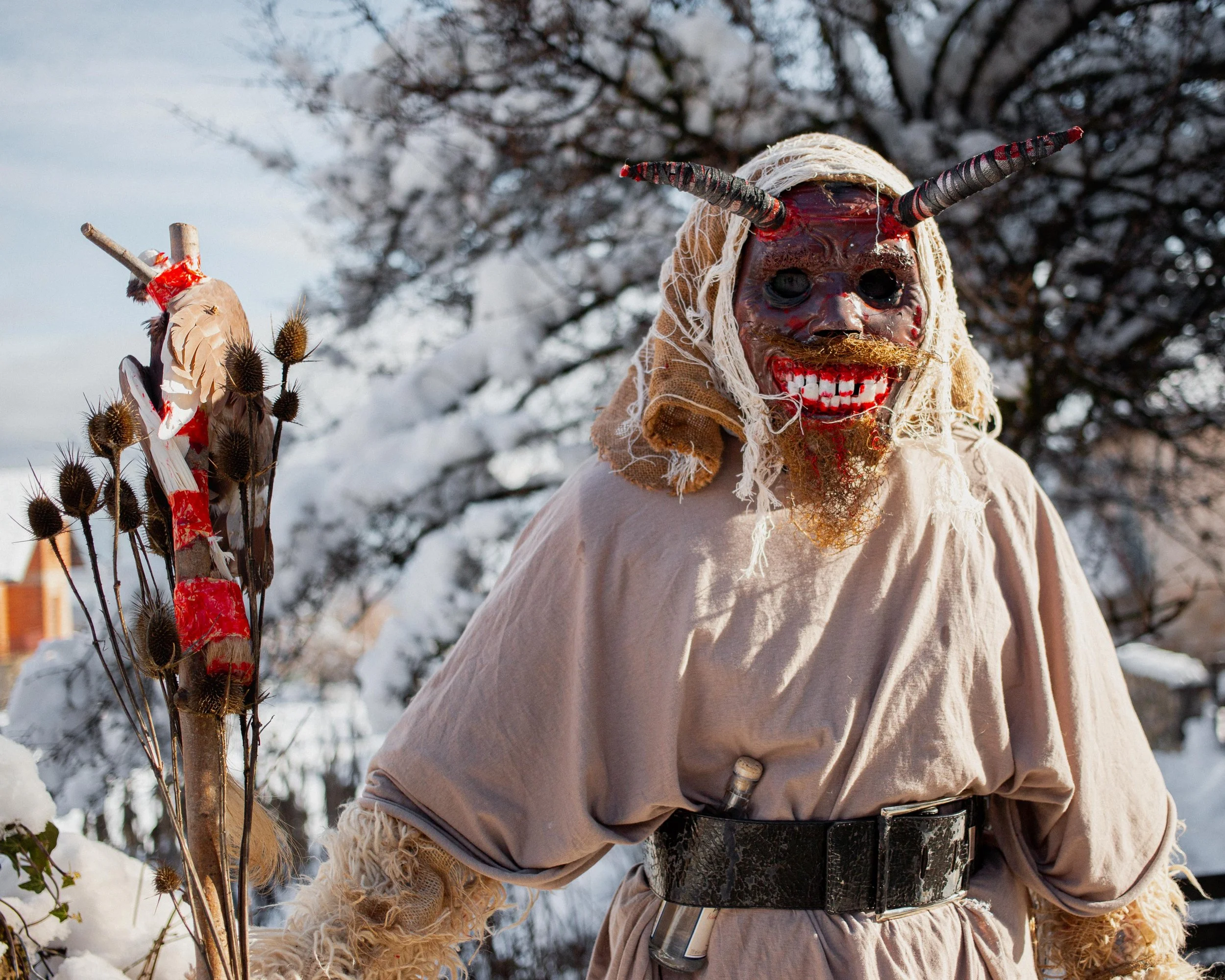
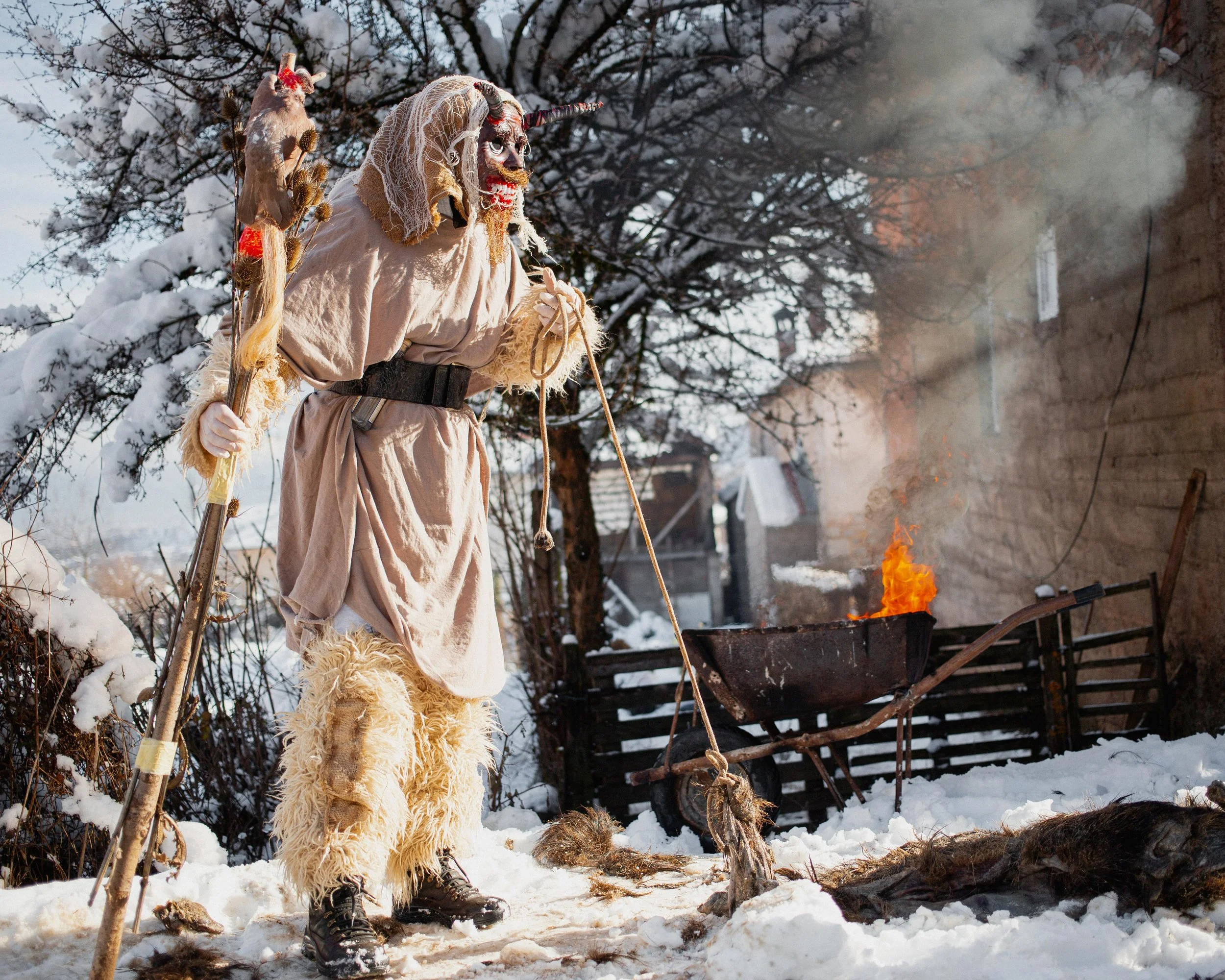
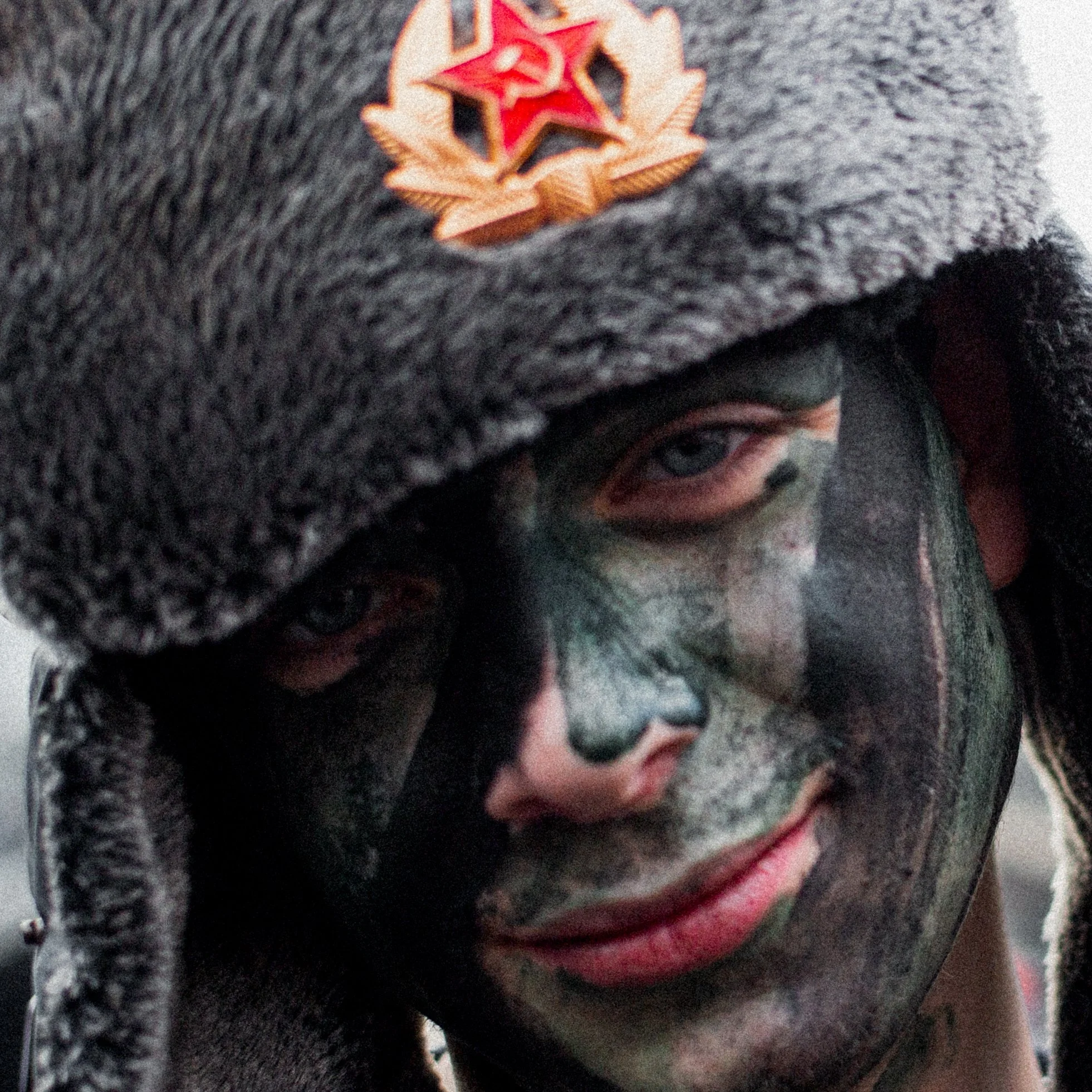
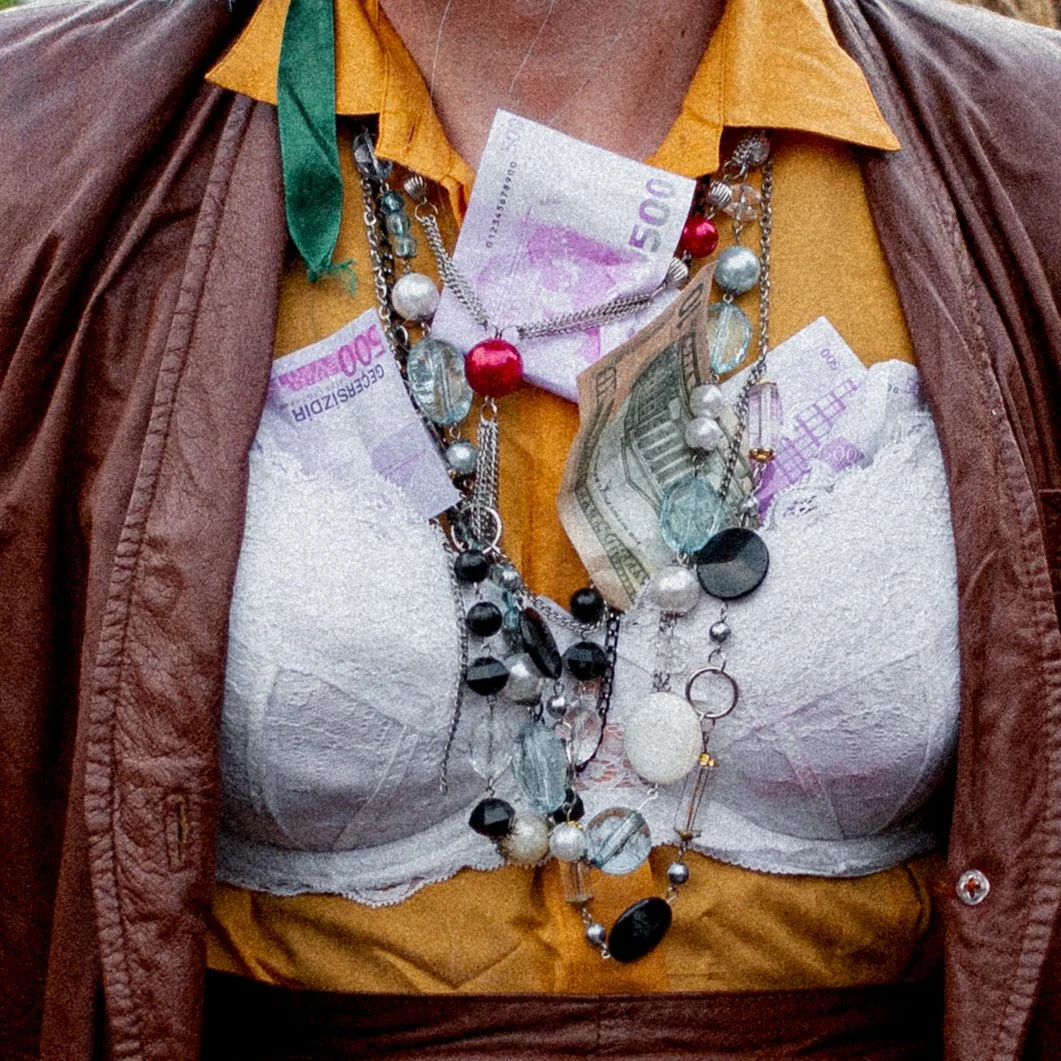
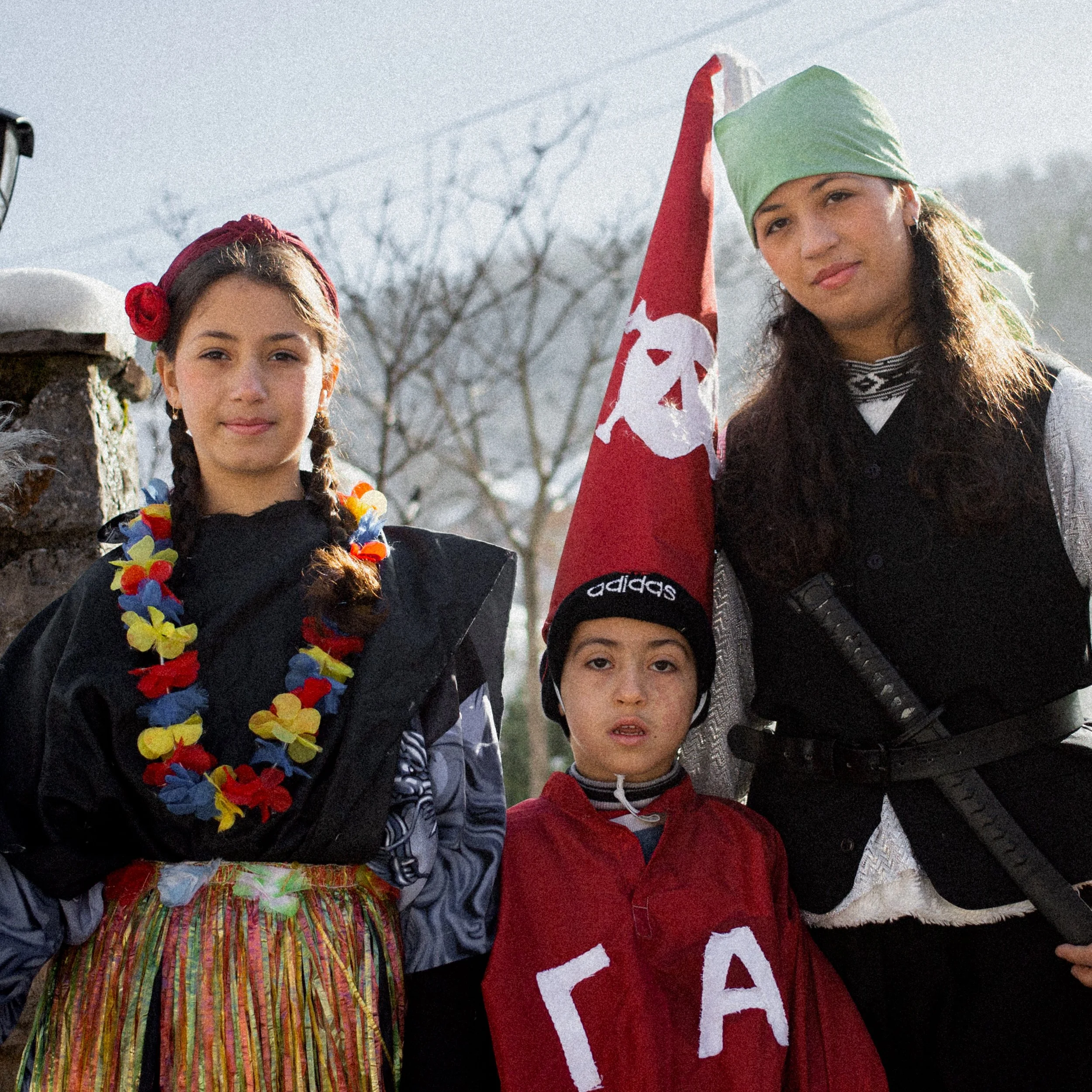
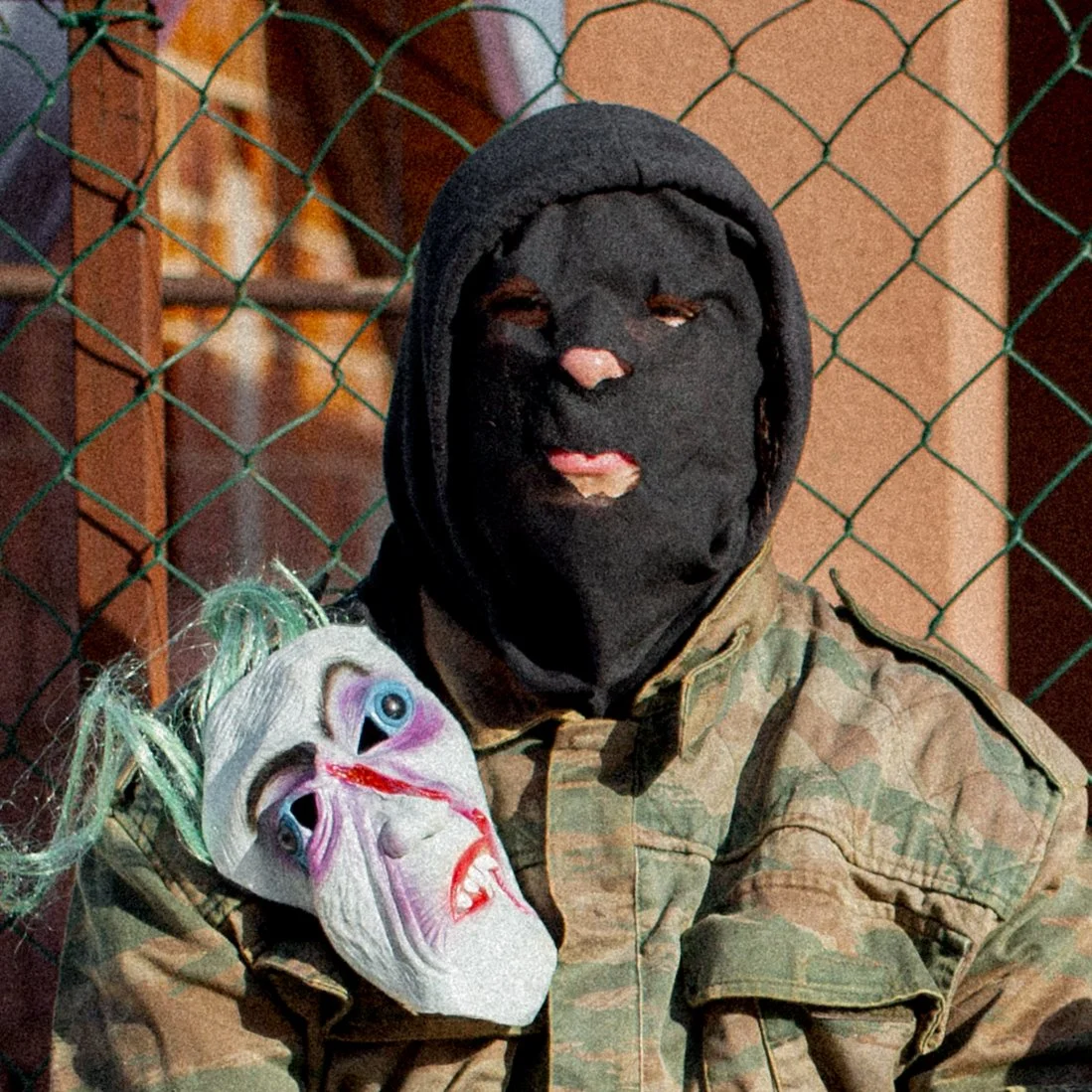
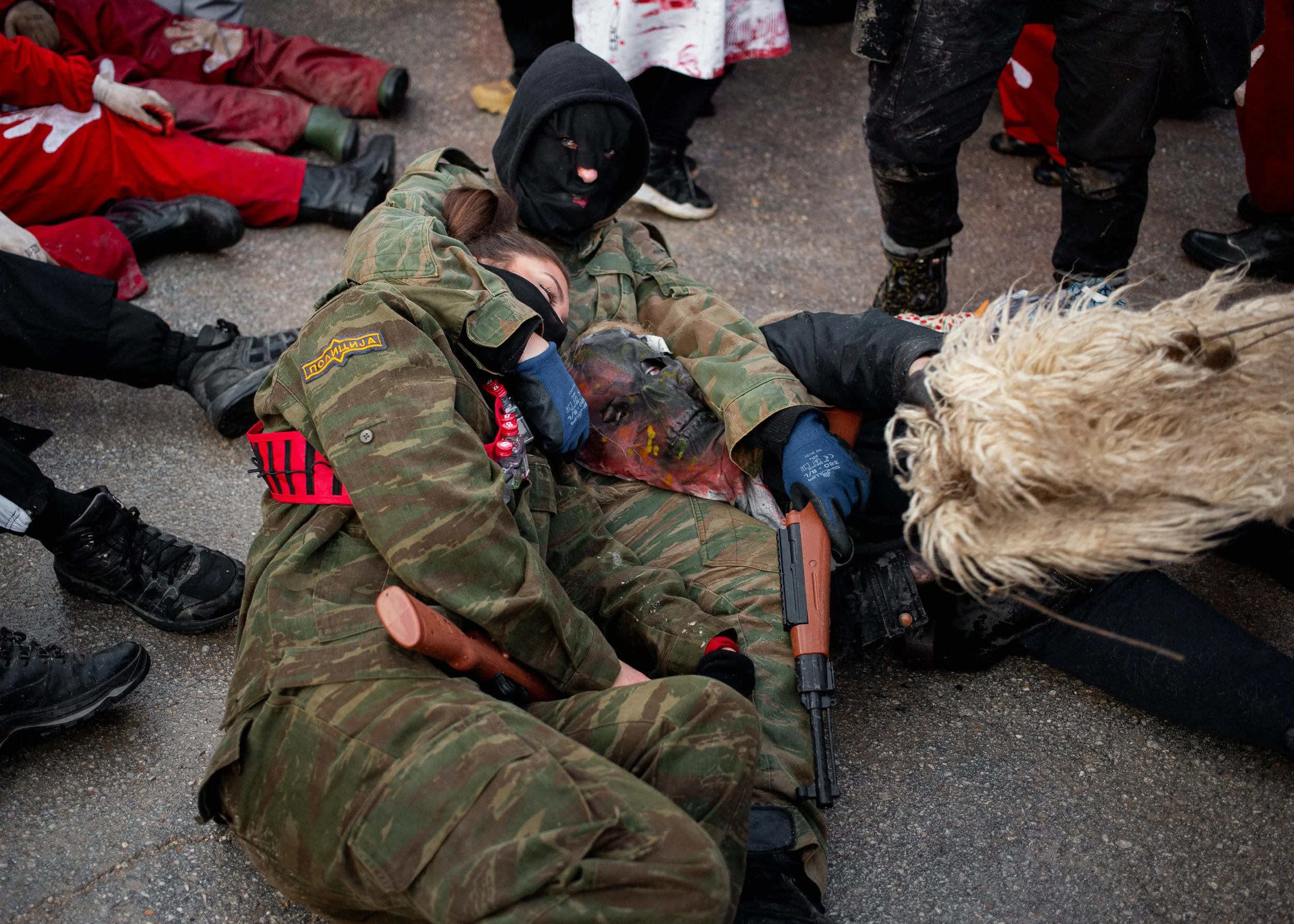
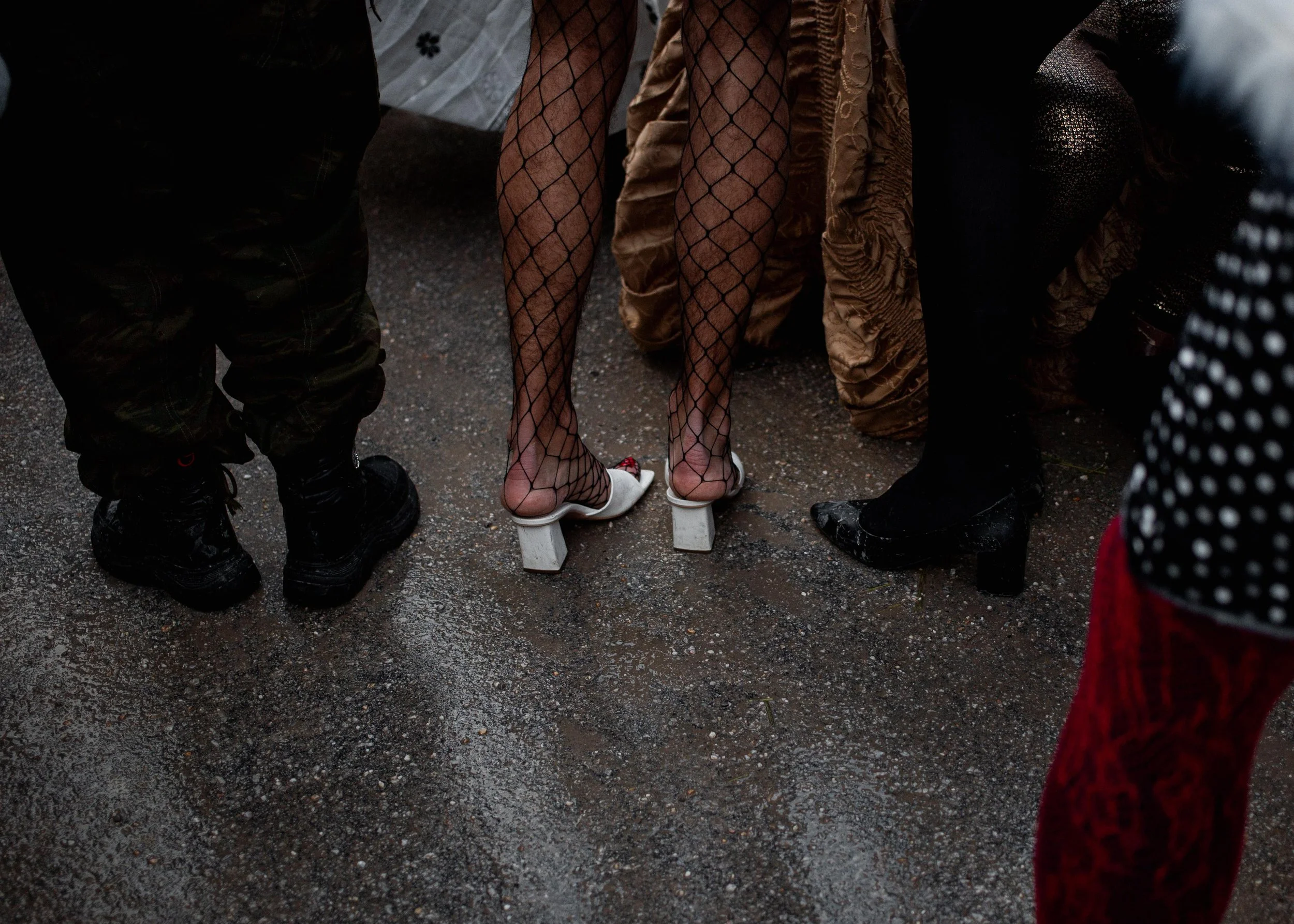
Masking functions as social license. Through disguise, participants are able to mock authority, distort gender roles, and expose social hypocrisy. Historically, the ritual was dominated by male participants, including the performance of female roles; in recent decades, women have become increasingly visible, reflecting broader social shifts.
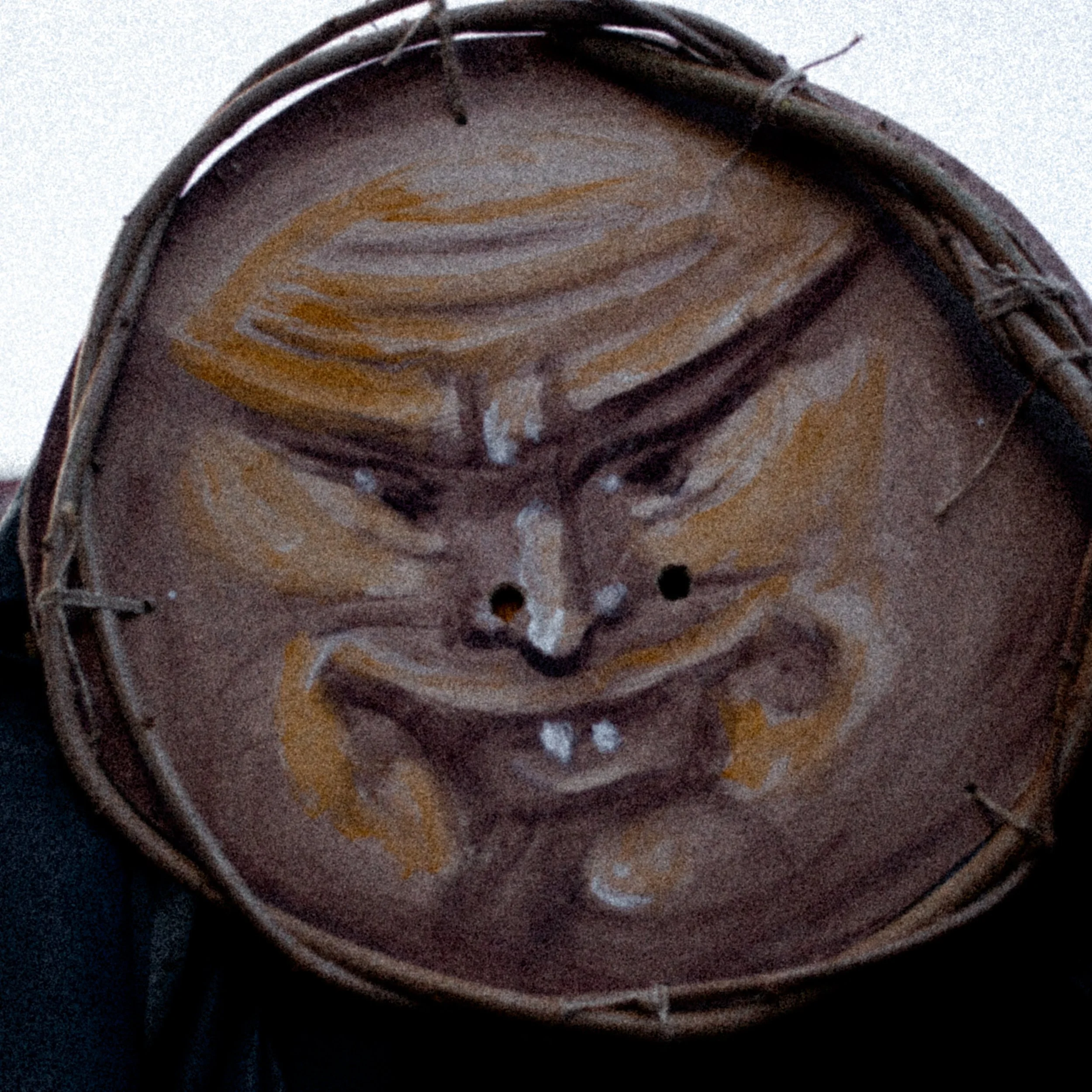
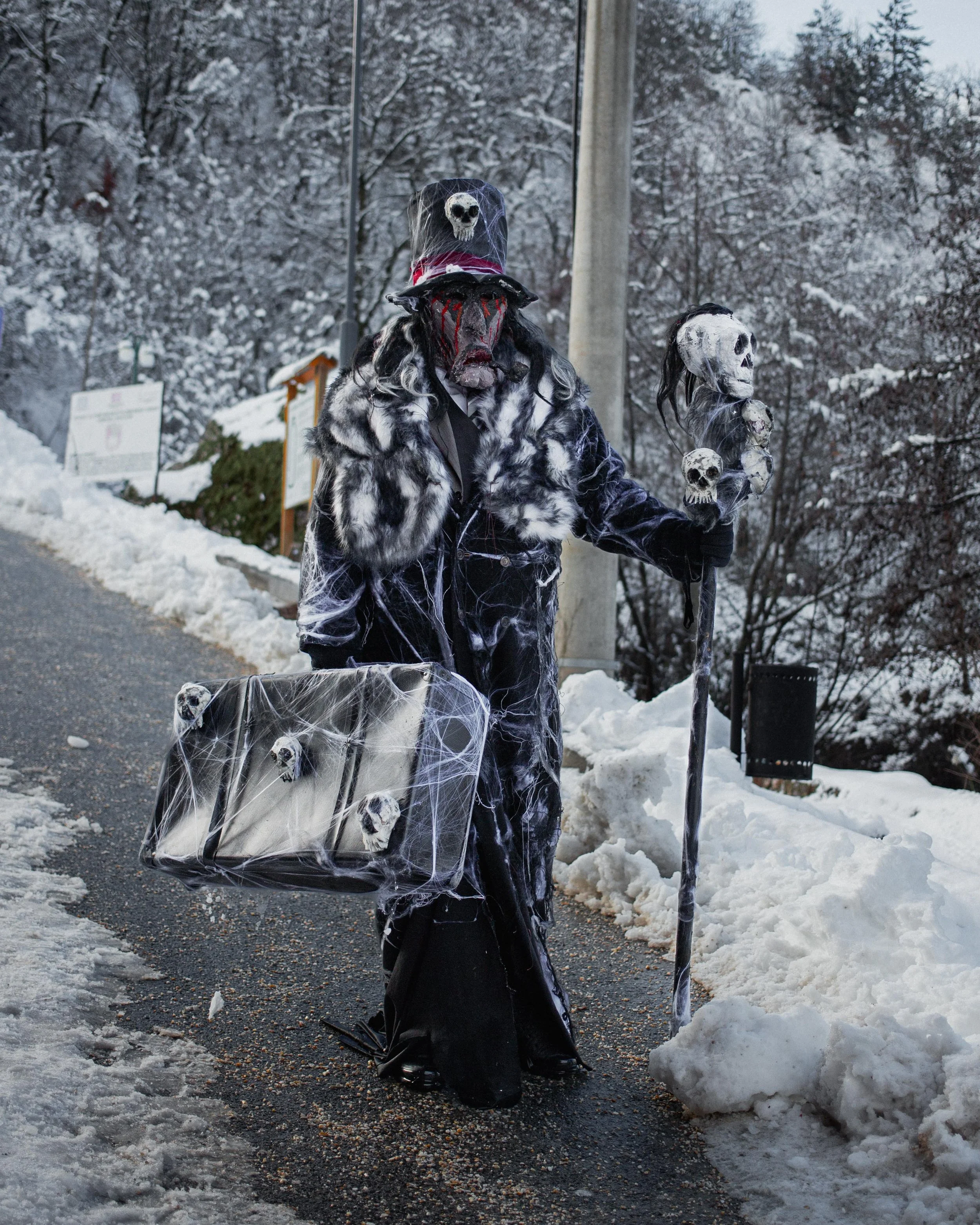
Alongside traditional figures, contemporary masks referencing politicians, global events, war criminals, and popular culture transform the karneval into a living archive of political satire and collective catharsis.
As the karneval concludes, the masks are thrown into the Vasilichari fire. This final act symbolizes the destruction of evil forces and the shedding of the old year. Through noise, movement, excess, and fire, the community enters the new year ritually cleansed, having temporarily inverted its order in order to preserve it.